DCP Products

Streamlining Midstream.

DCP Midstream ran on aging software, paper workarounds and teams that rarely talked to each other. We led UX and design thinking across their digital transformation: a design system, a dozen products built on it, and one hub to reach them all. Here are five of them.

Our role
Strategy & Research, Product Line Branding, Product Design, Design Ops, Design System, Marketing Strategy
Stage
Enterprise
Sector
Energy, Natural Gas, Logistics & Supply Chain

The problem

DCP was a well-established company, with decades of success. As with many companies in this position, their success and age meant that they brought along a lot of antiquated processes, and tech debt that just piled up over the years. It's hard to break out of old patterns when the company isn't necessarily failing; but, not failing certainly isn't the picture of success.

The solution

We ran discovery sessions for each department, allowing every level of the team to speak their mind with the comfort of anonymity. We listened to all the concerns, analyzed all of the pain points, and found industry-changing solutions to save time, money, and in some cases, the environment itself.

12
digital products, plus one platform to unite them
420+
hours a month given back to Gas Optimizers
40%
faster resolution of emergency plant events

Design system & Design Ops

The power of scalable design.

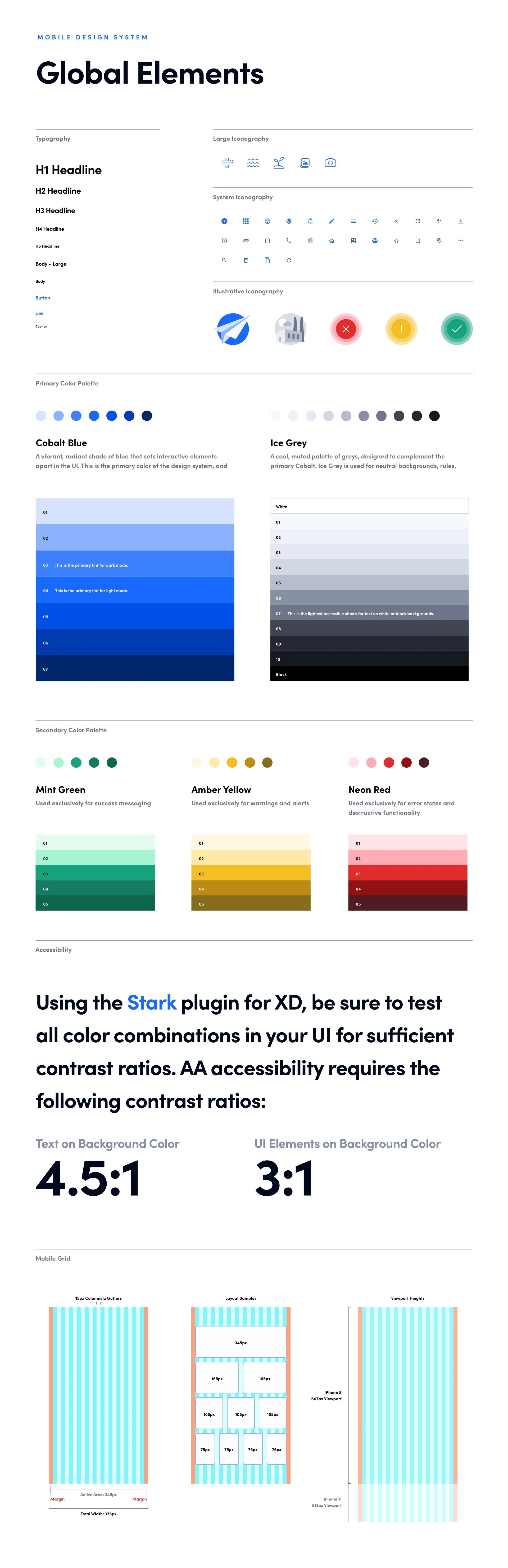
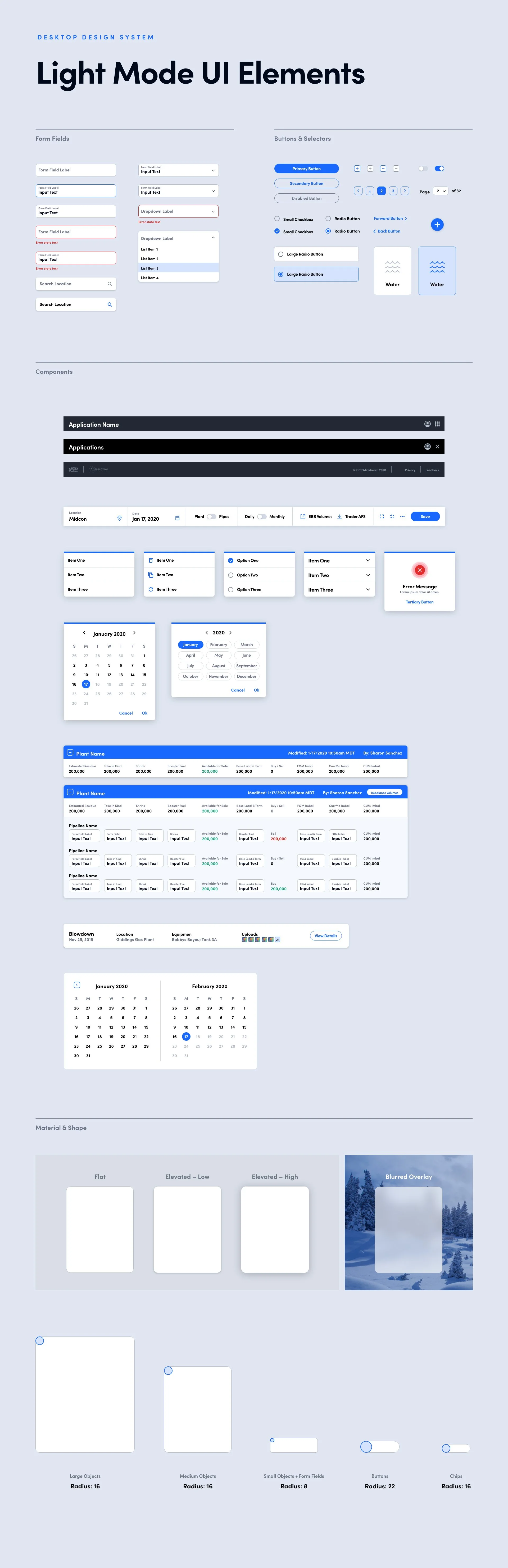
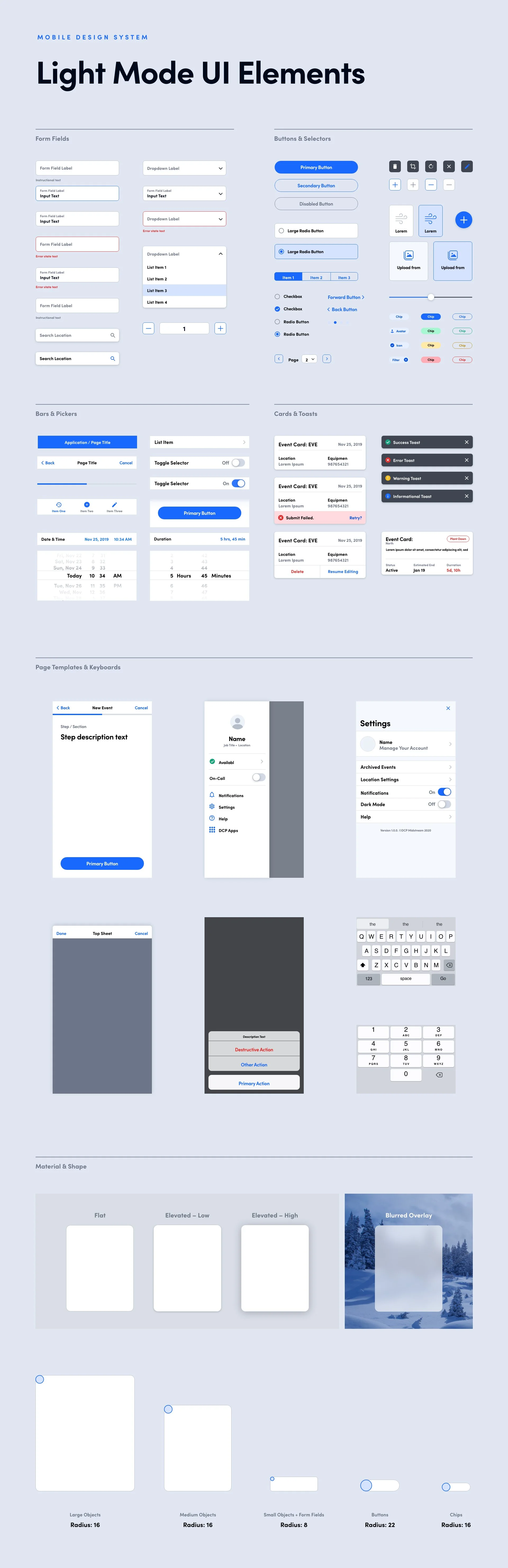
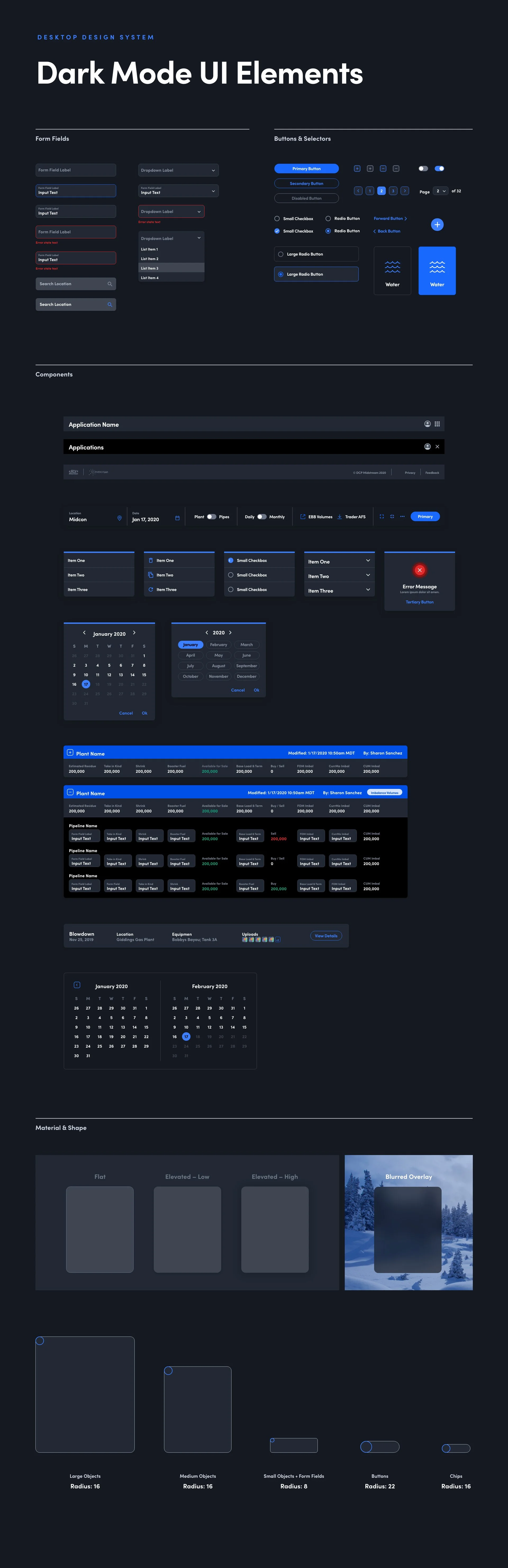
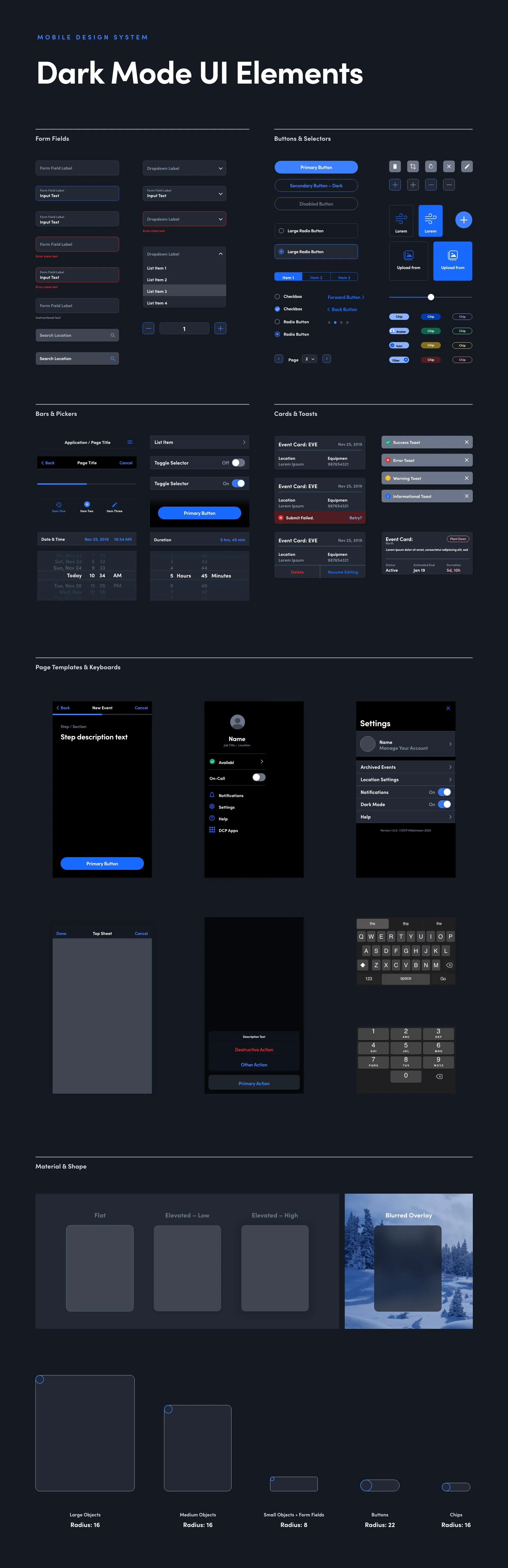
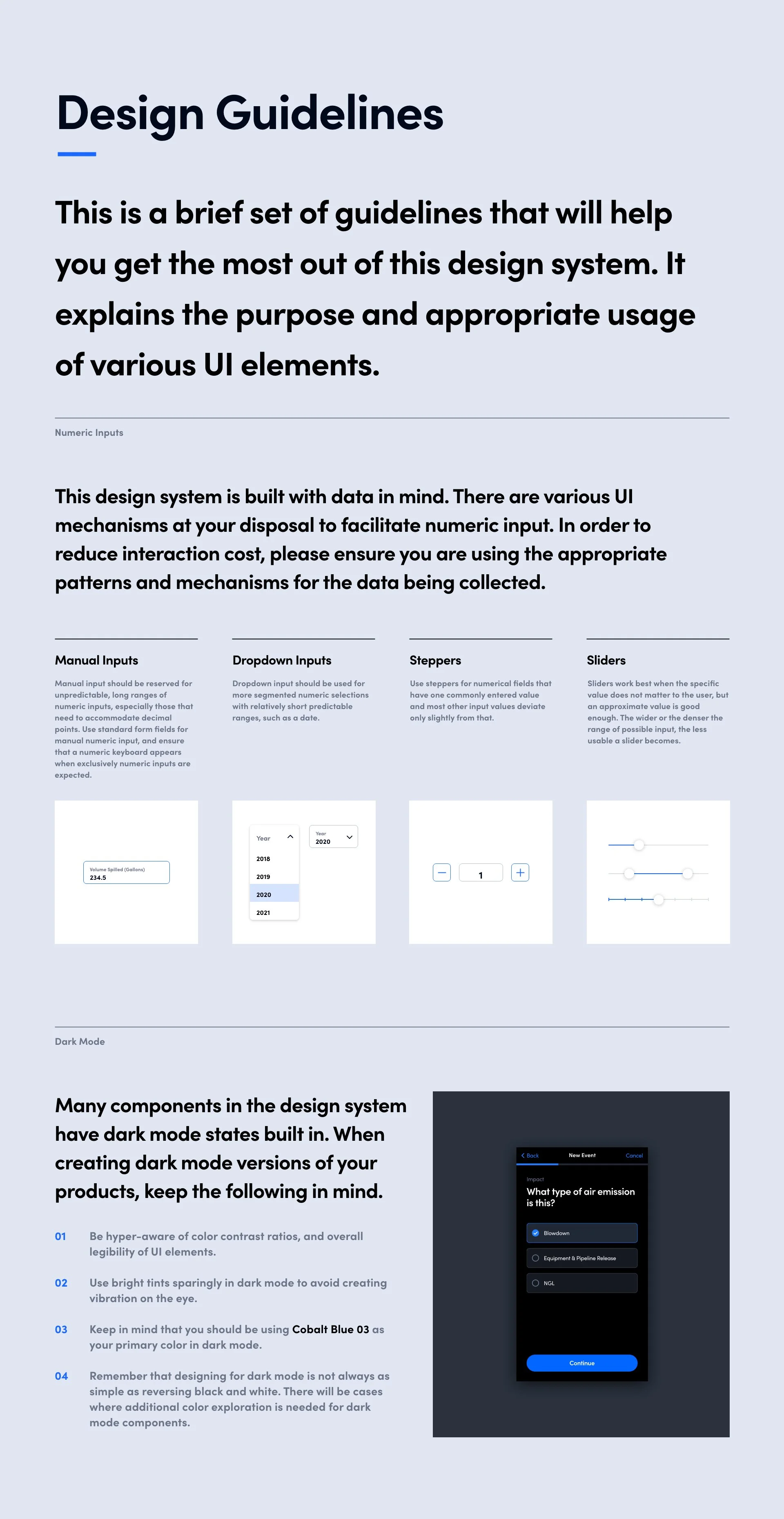
A Figma design system that brought order to a large team of designers and developers, and gave every product in the transformation one shared language.
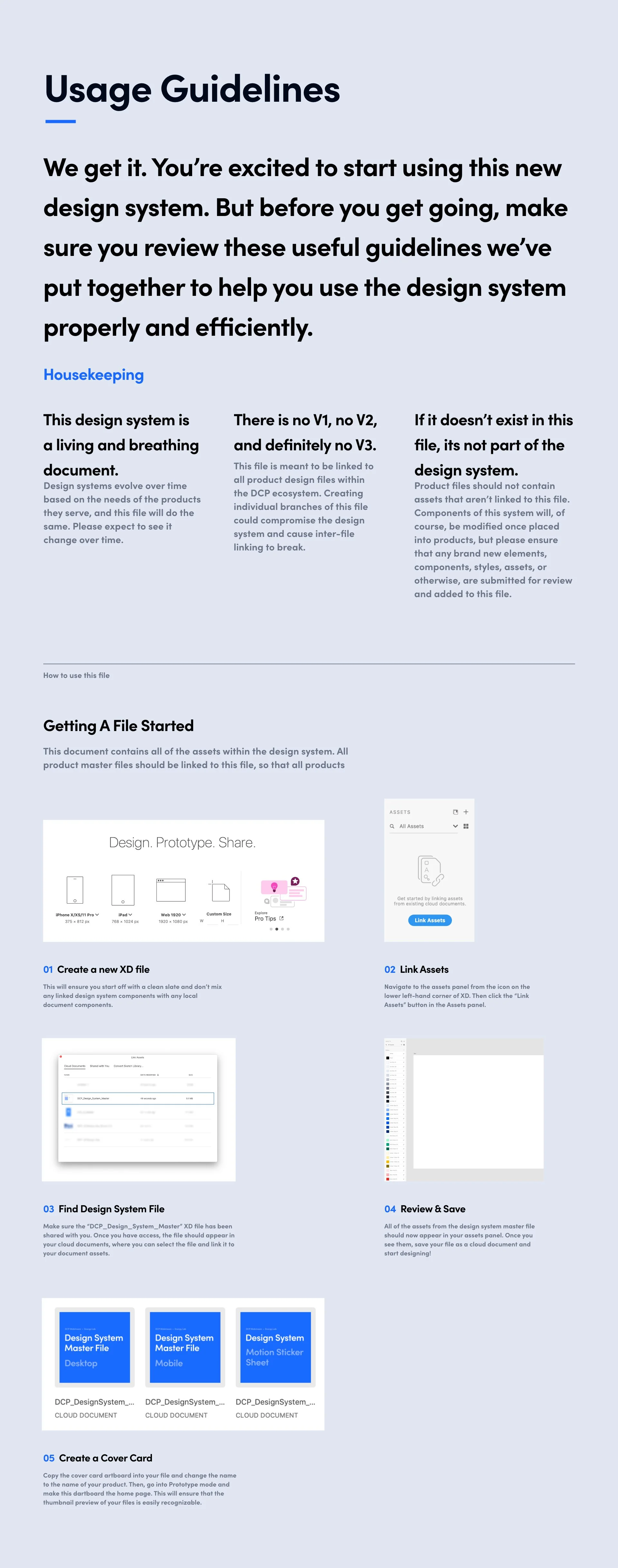
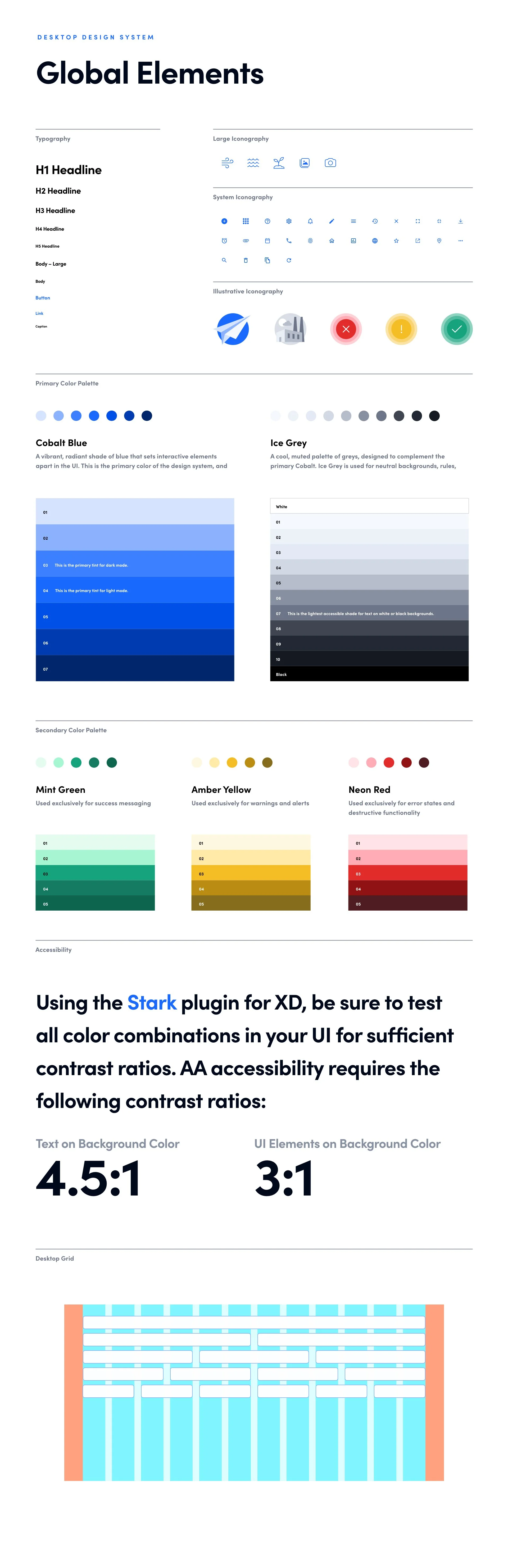
DCP design system usage guidelines for desktop and mobile

The problem

The design department was in disarray: different visual styles, different toolsets and files scattered everywhere, across a growing list of products.

The solution

We put Design Ops in place, standardized the tools and built a cohesive system so every product could look, feel and behave the same, and be designed faster.

What we did

  • Design Ops. Restructured the department, hired key designers and set shared processes and workflows.

  • Component library. Centrally managed colors, type styles and components in Figma that the whole team could pull from.

  • Motion guidelines. Specs for animations and transitions, so developers knew the intended behavior without it being rebuilt in every prototype.

  • Patterns and interactions. Consistent UI patterns, so users felt at home moving between products.

  • Rollout across twelve apps. One system, with room for each product's specific needs.

The results

  • Faster design. Reusable components cut the time spent wireframing and prototyping.

  • One product family. A shared visual and interaction language across every DCP product.

  • One source of truth. Designers and developers worked from the same files, with less rework.

  • Room to grow. A foundation that scaled as new products joined, and made onboarding new team members simple.
12
applications built on one system

The work

Environmental compliance

Streamlining environmental compliance.

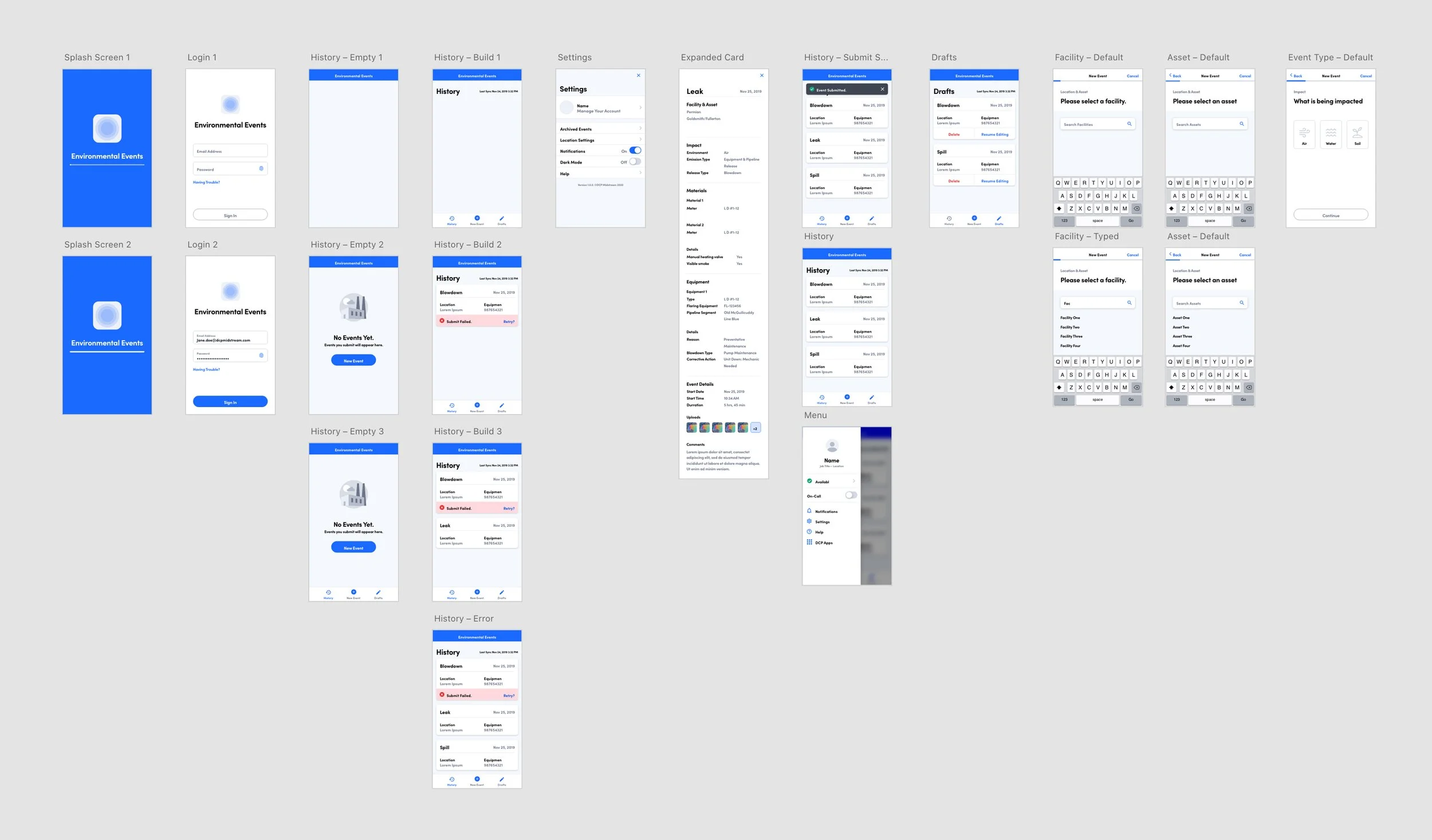
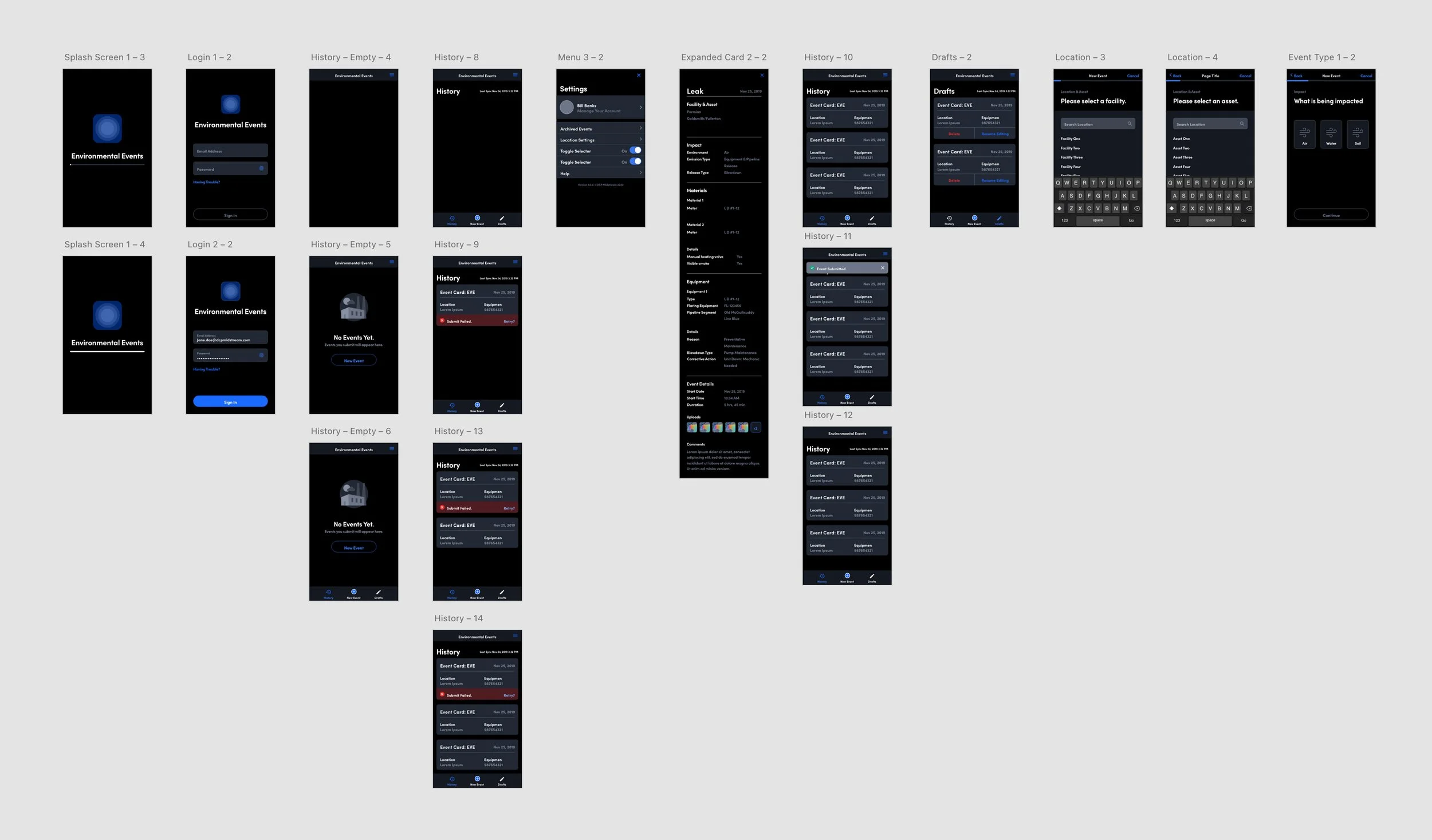
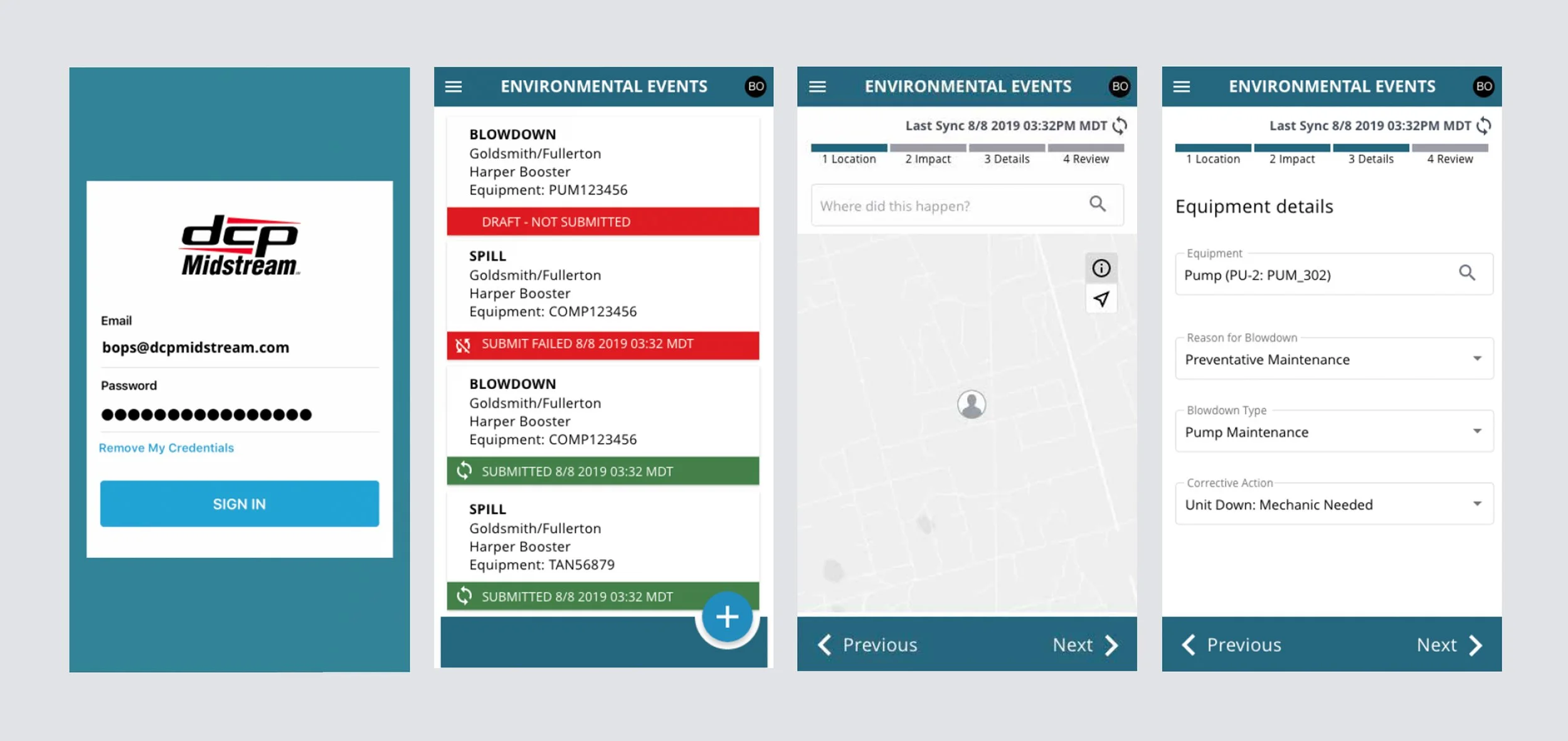
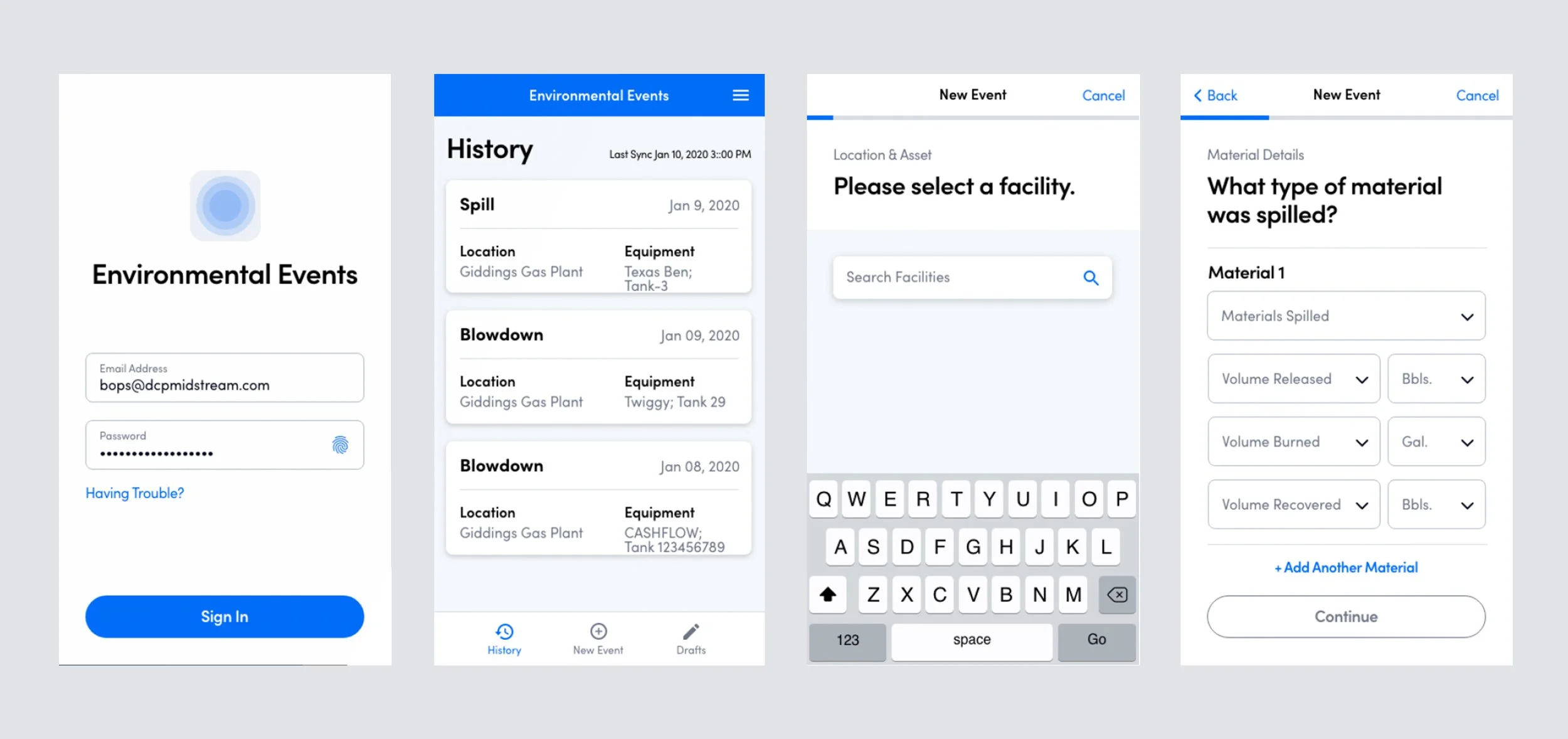
An app that lets DCP capture, track and report environmental events across every operation, and stay compliant with each state's rules.

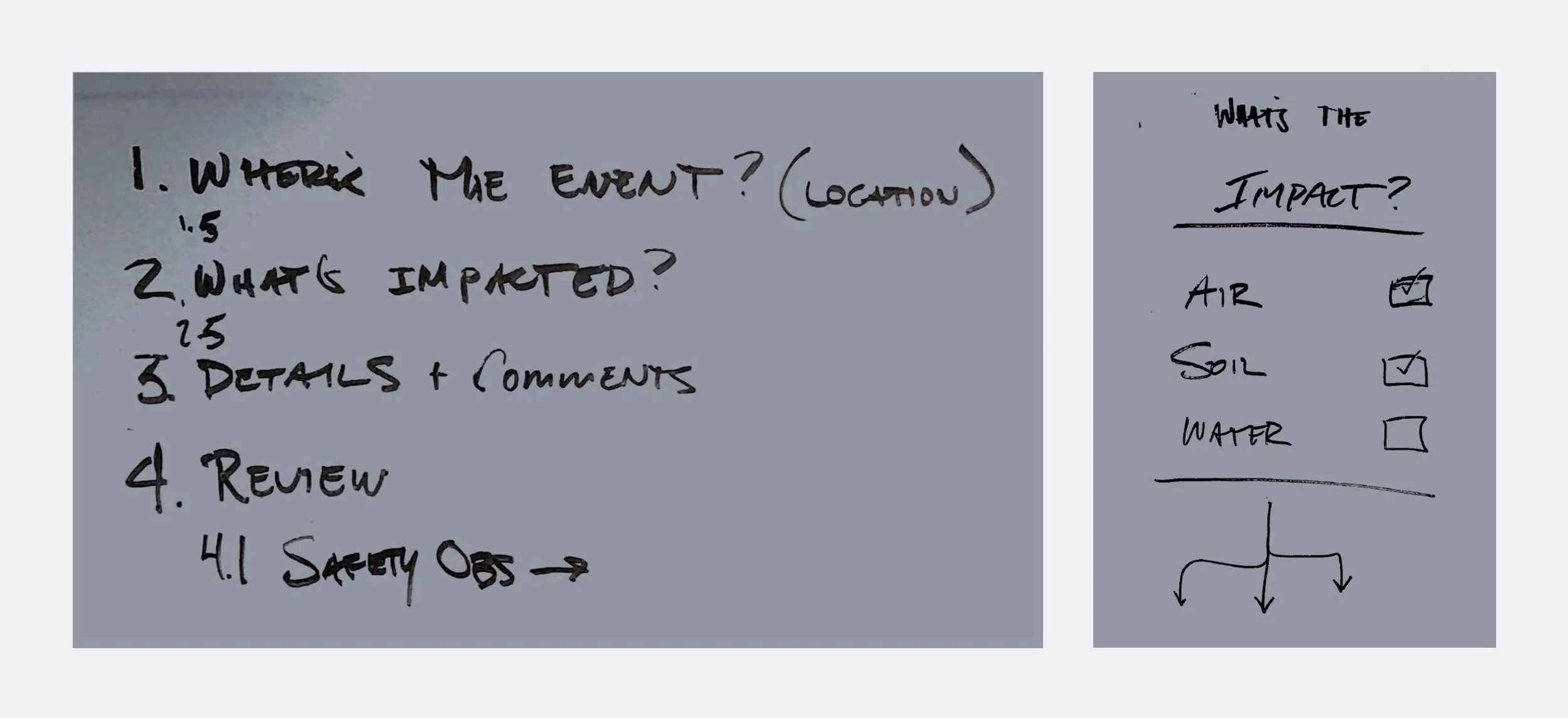
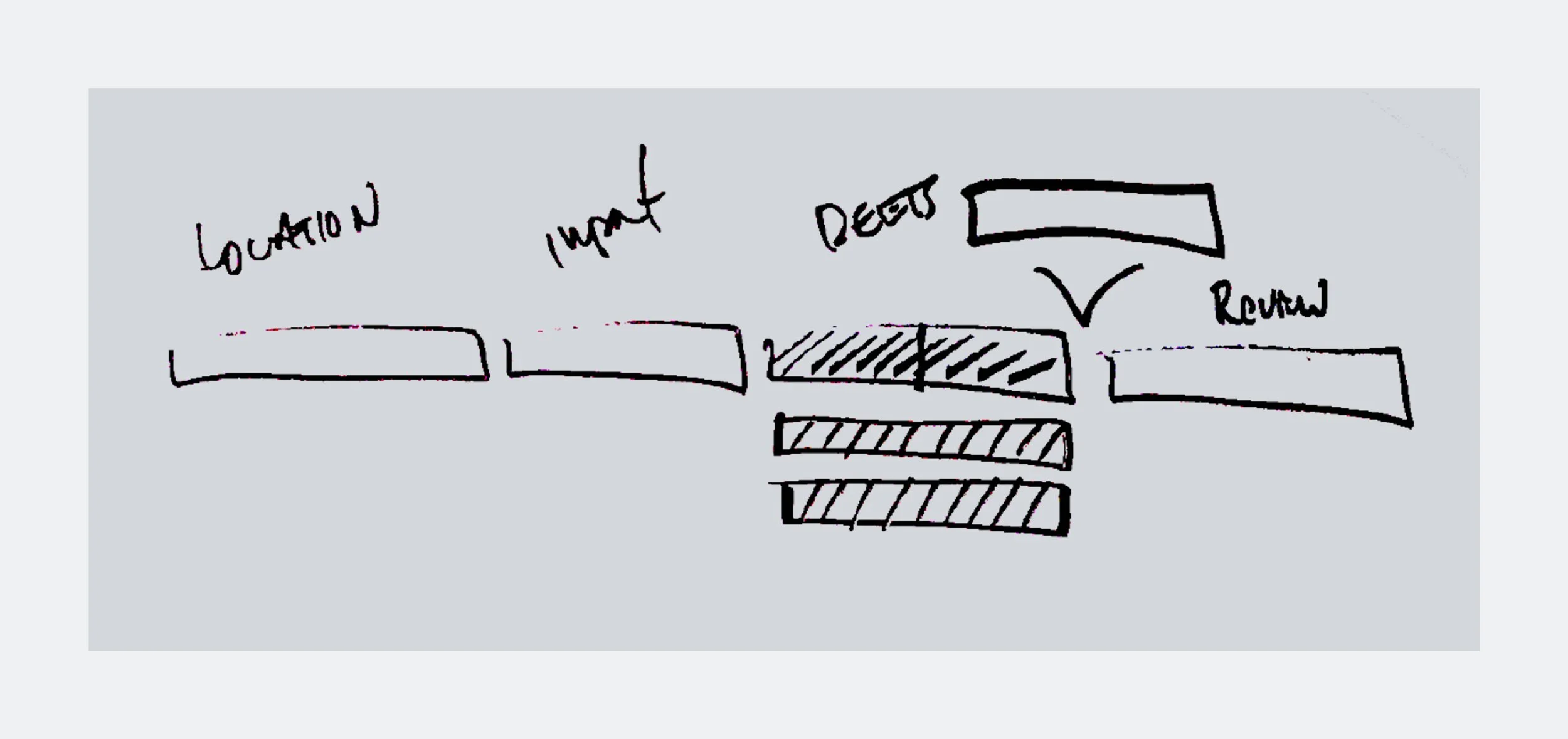
EVE app screens

The problem

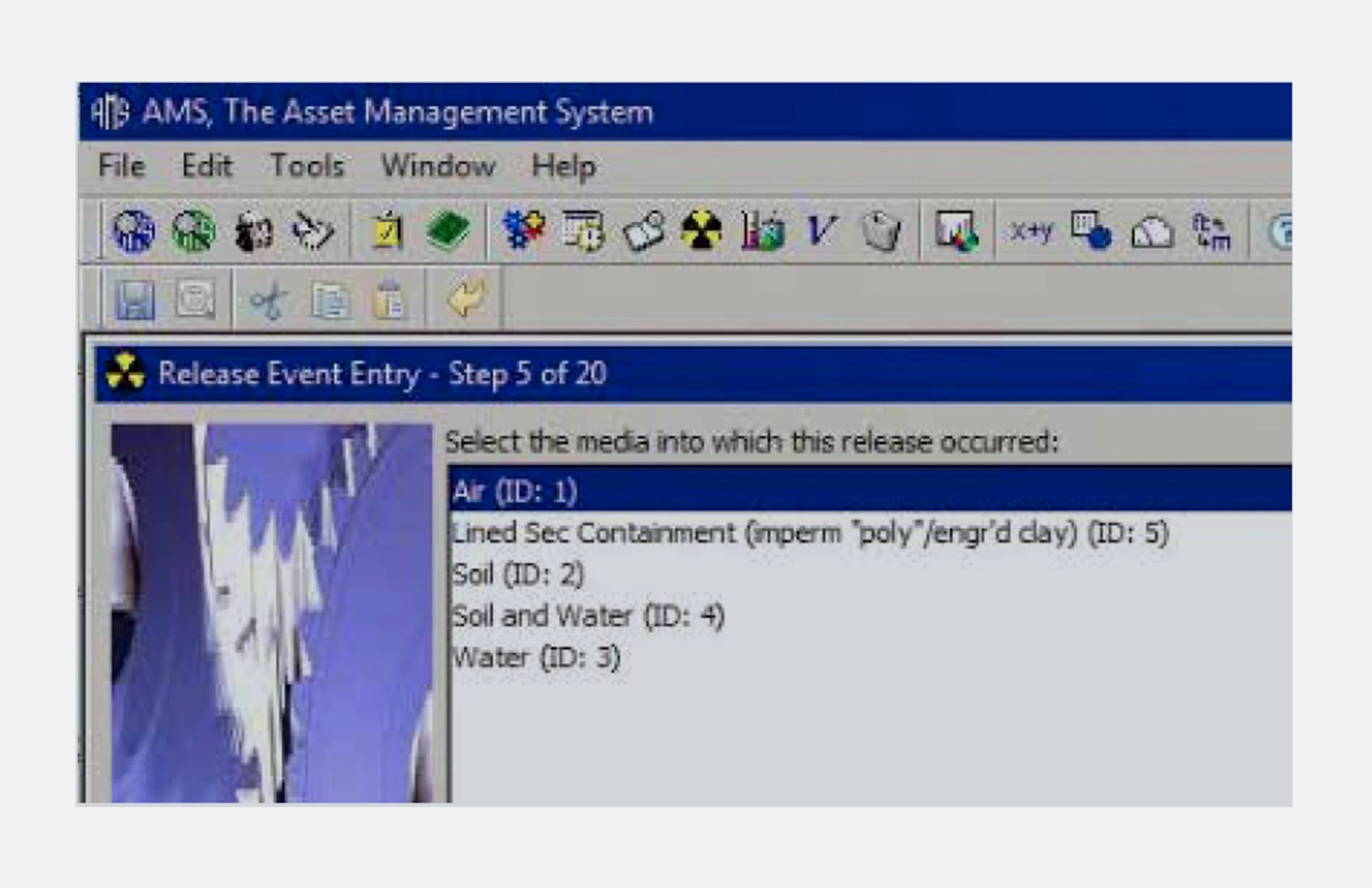
Field operators and environmental specialists were stuck with antiquated software, different workflows in every region and a patchwork of state regulations.

The solution

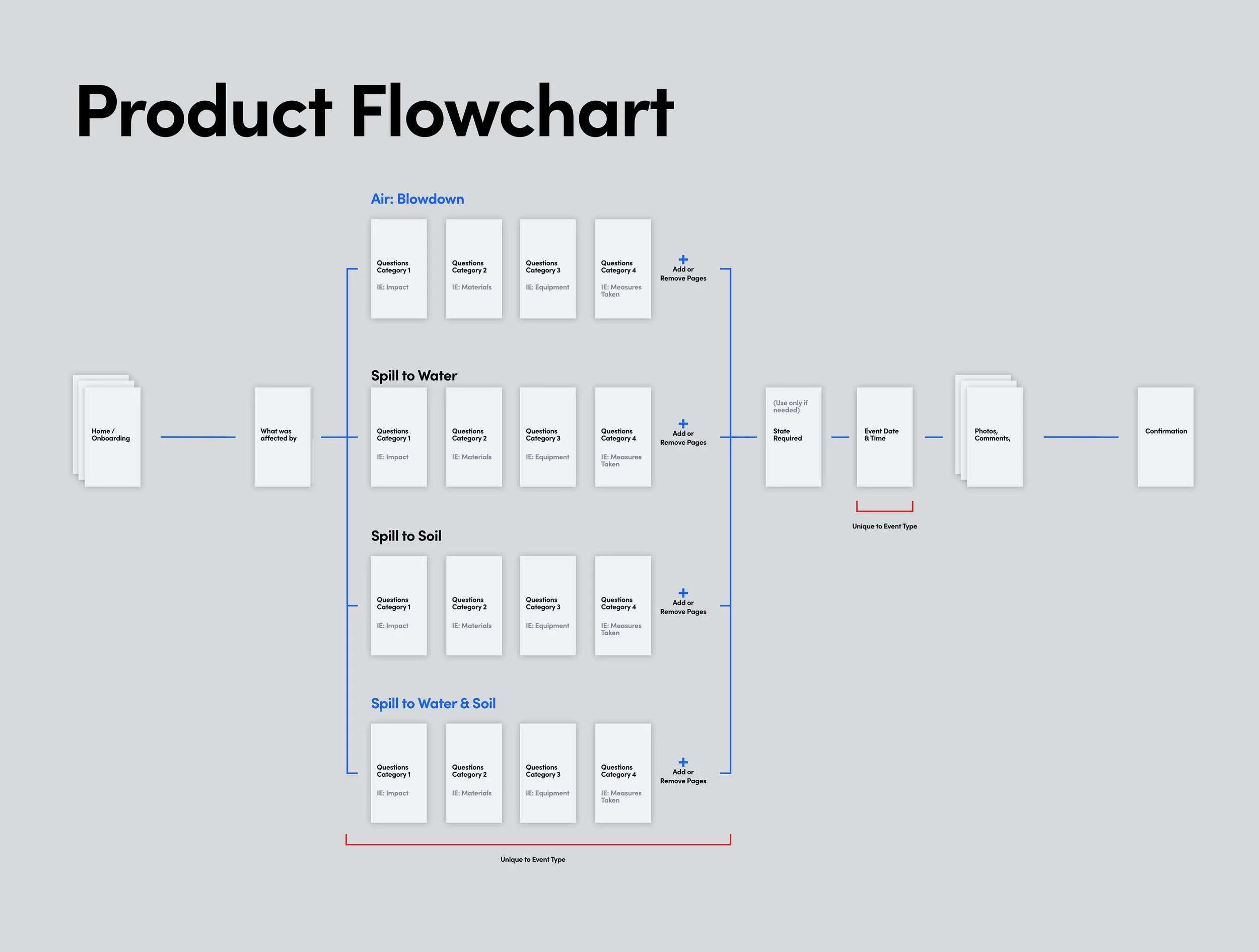
One intuitive product that standardizes how events are captured, adapts to regional requirements and hands information cleanly from the field to the specialists who report it.

What we did

  • Research in every region. Interviews and testing with field workers and environmental specialists to map their real workflows.

  • A standard core. Consistent data capture for the requirements every state shares.

  • Smart, conditional forms. State and region-specific questions appear only when they apply.

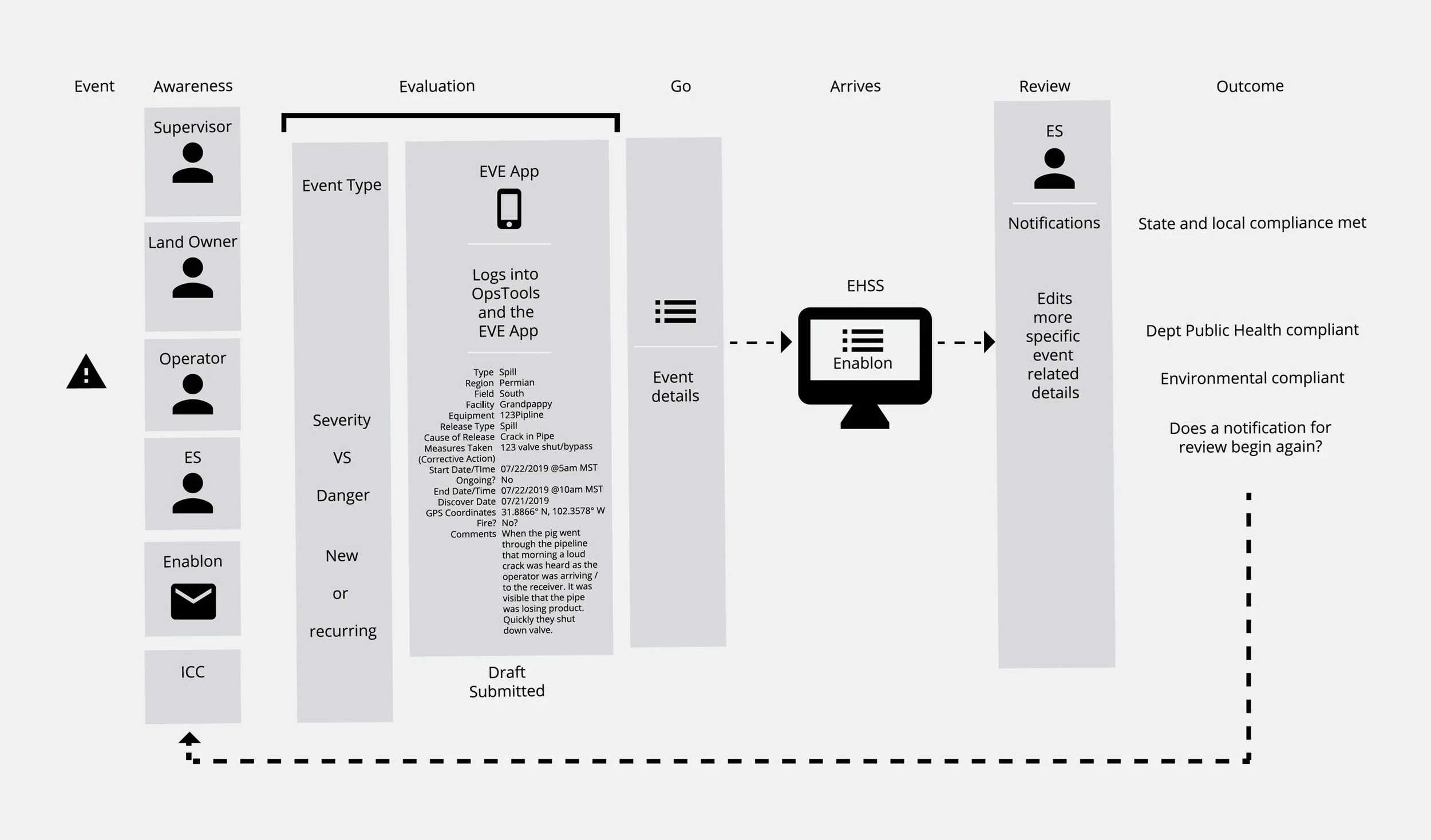
  • Field to specialist handoff. Events captured in the field flow straight to the people who calculate and report them.

  • An adoption plan. Training and support to bring less tech-savvy users along.

The results

  • Simpler compliance. One standard way to capture and report events in every region.

  • Real adoption. Launched with training that overcame early reluctance to new technology.

  • Less admin. No more duplicate entry or manual steps slowing down reports.

  • Better reporting. More accurate, complete submissions to state agencies, backed by an ongoing support team.

1
standard workflow for every region and state

The work

EVE Demo

Emergency response

Unified emergency response.

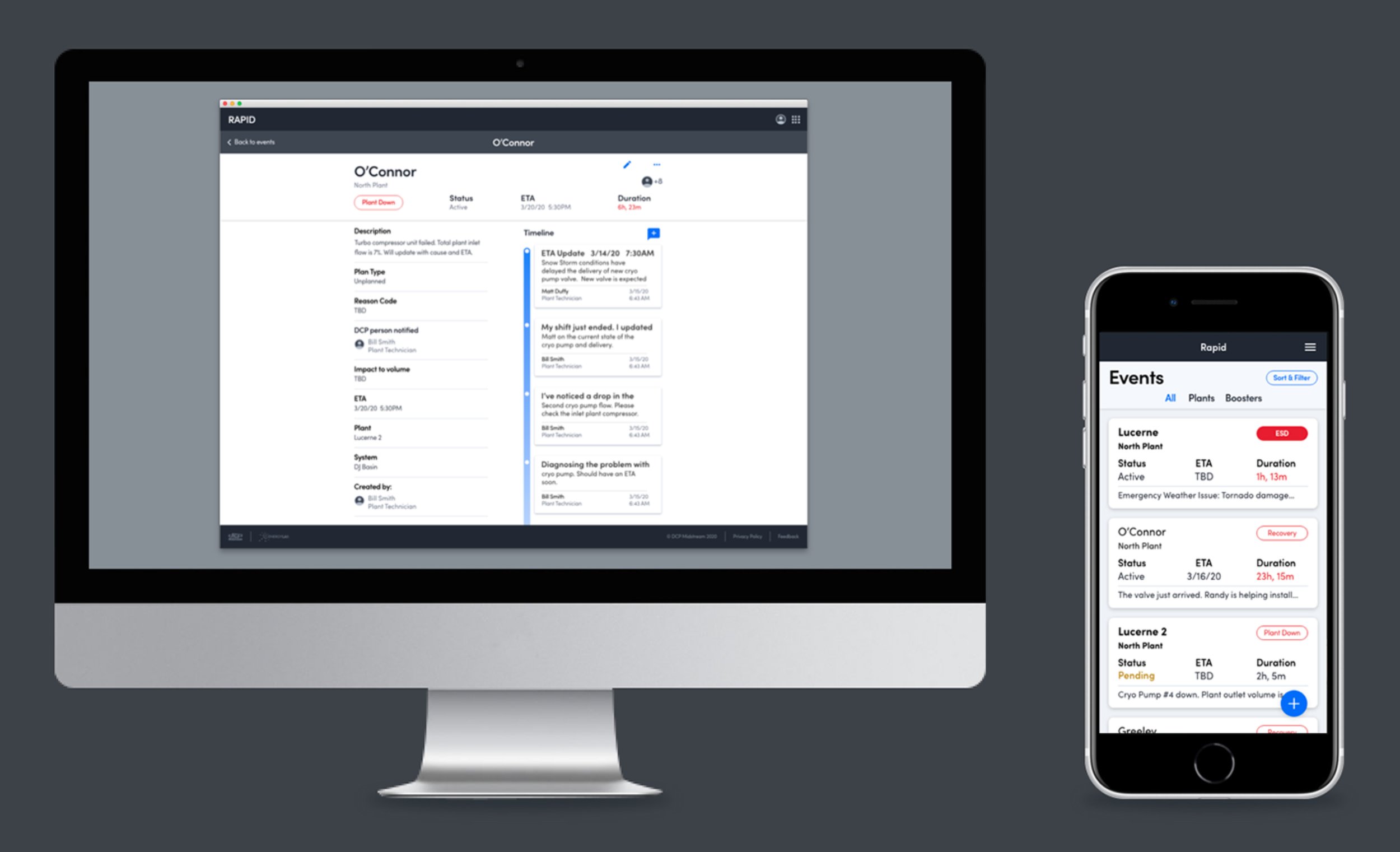
A single platform for communication during unplanned plant events, so teams resolve emergencies faster and limit financial and environmental damage.

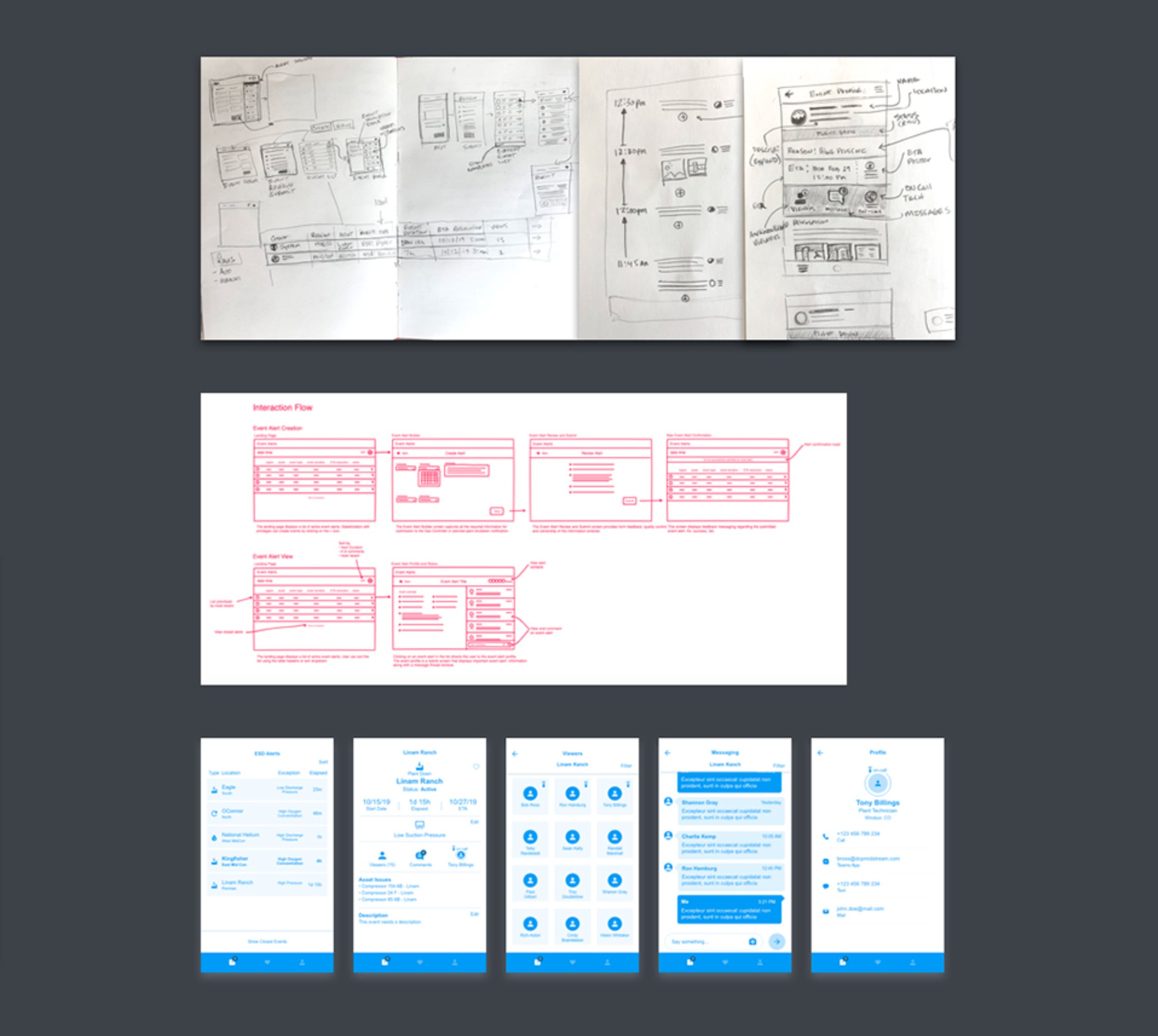
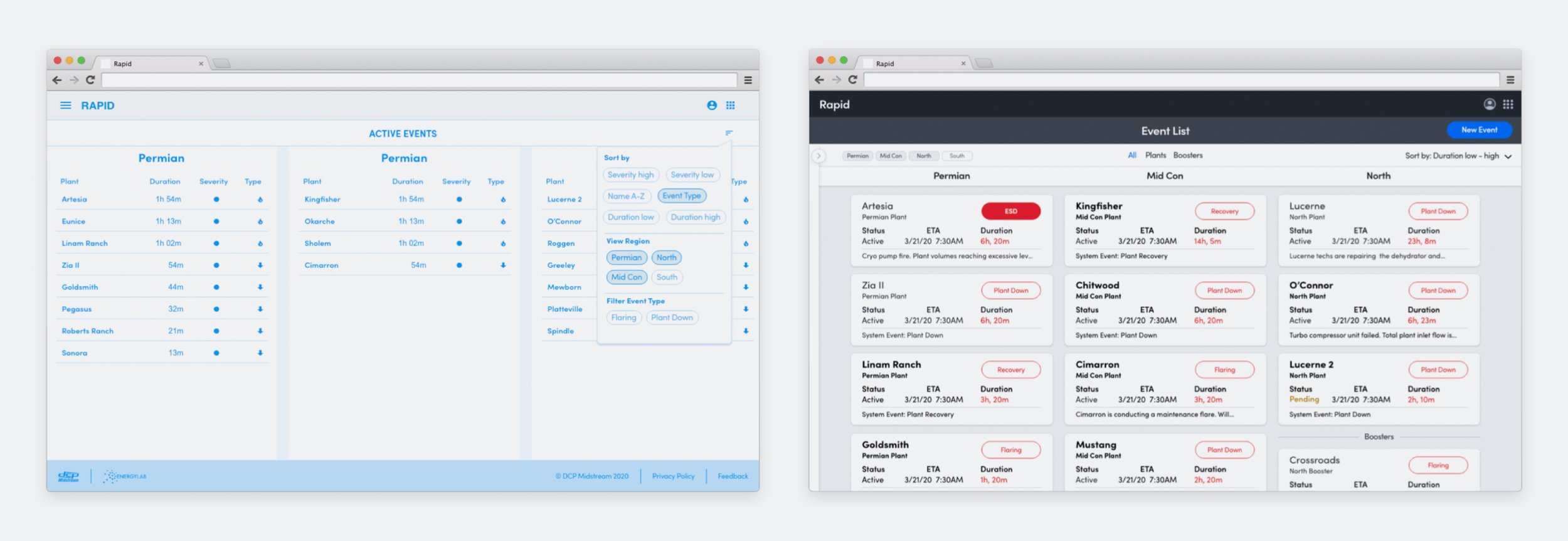
Rapid event dashboard prototype

The problem

When a plant event hit, Gas Operations teams struggled to resolve it quickly. Communication was fragmented and no one clearly owned the next step, which was dangerous and expensive.

The solution

One app that serves as the verified source of event status and communication for everyone at DCP, available anywhere, any time, on desktop and mobile.

What we did

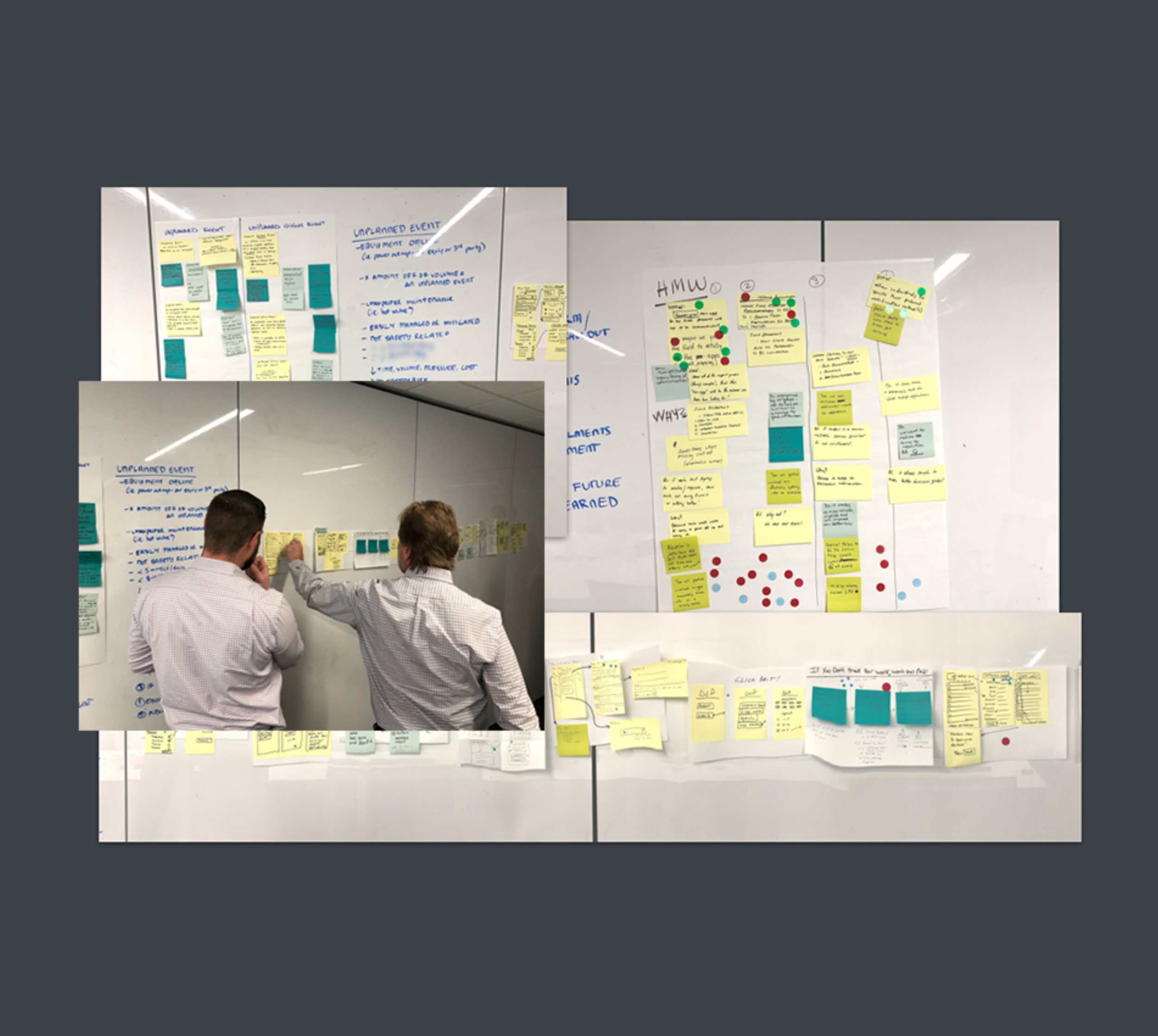
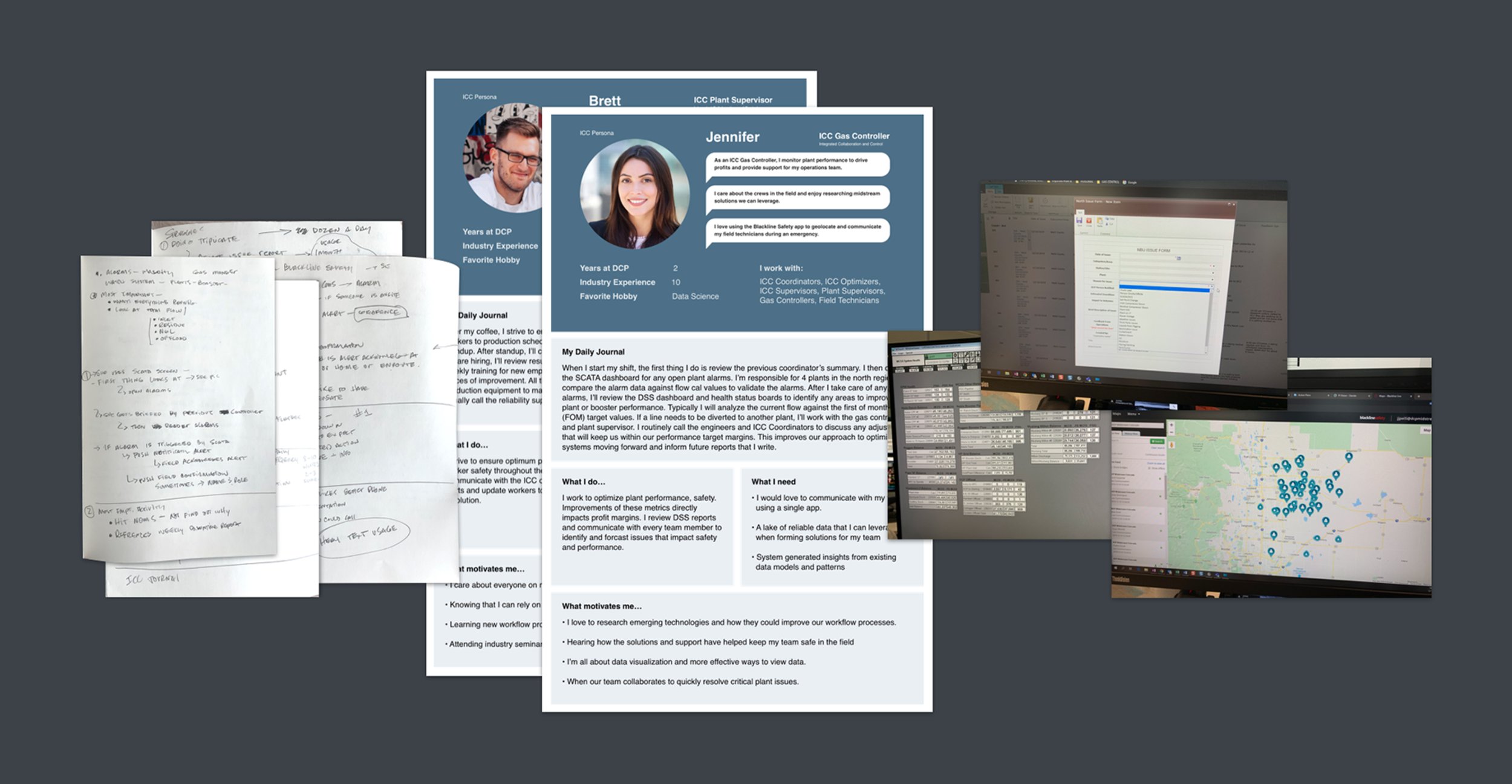
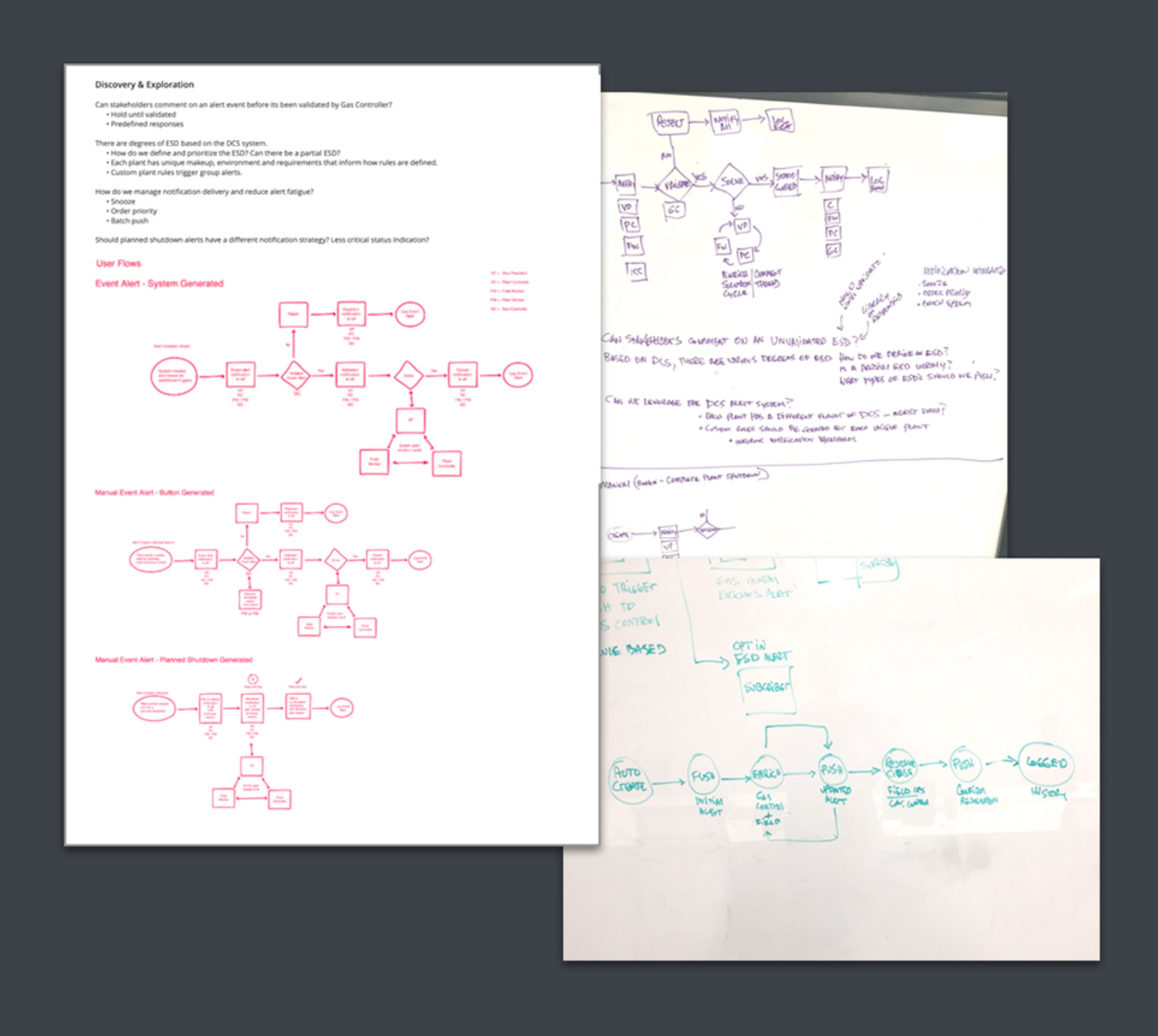
  • Cross-functional research. Interviews with department leaders and field workers about what breaks down during an emergency.

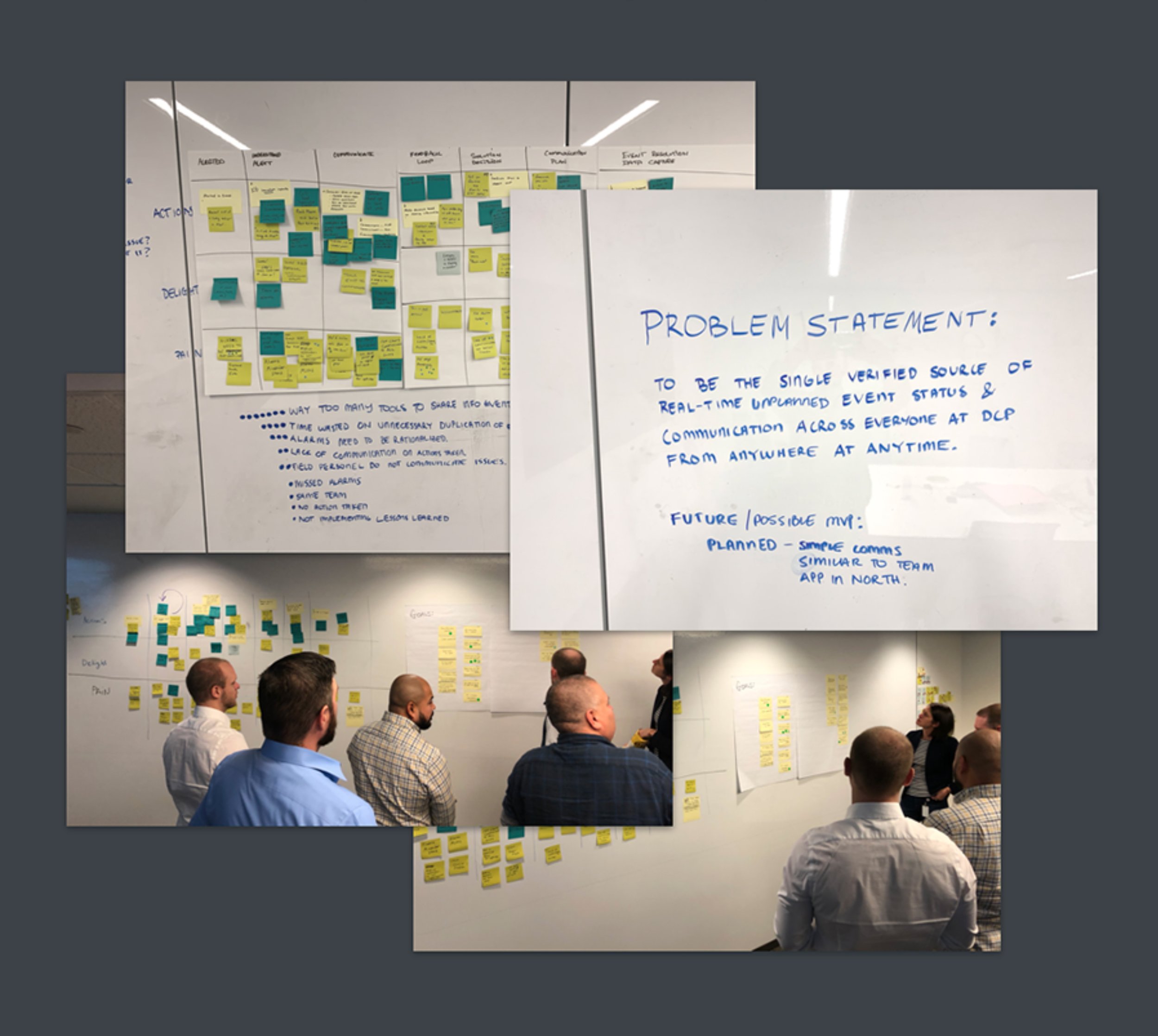
  • Problem framing workshops. Aligned leadership on one problem statement and the requirements for solving it.

  • A design sprint with users. Leaders and field workers mapped journeys, sketched solutions and shaped the first prototypes.

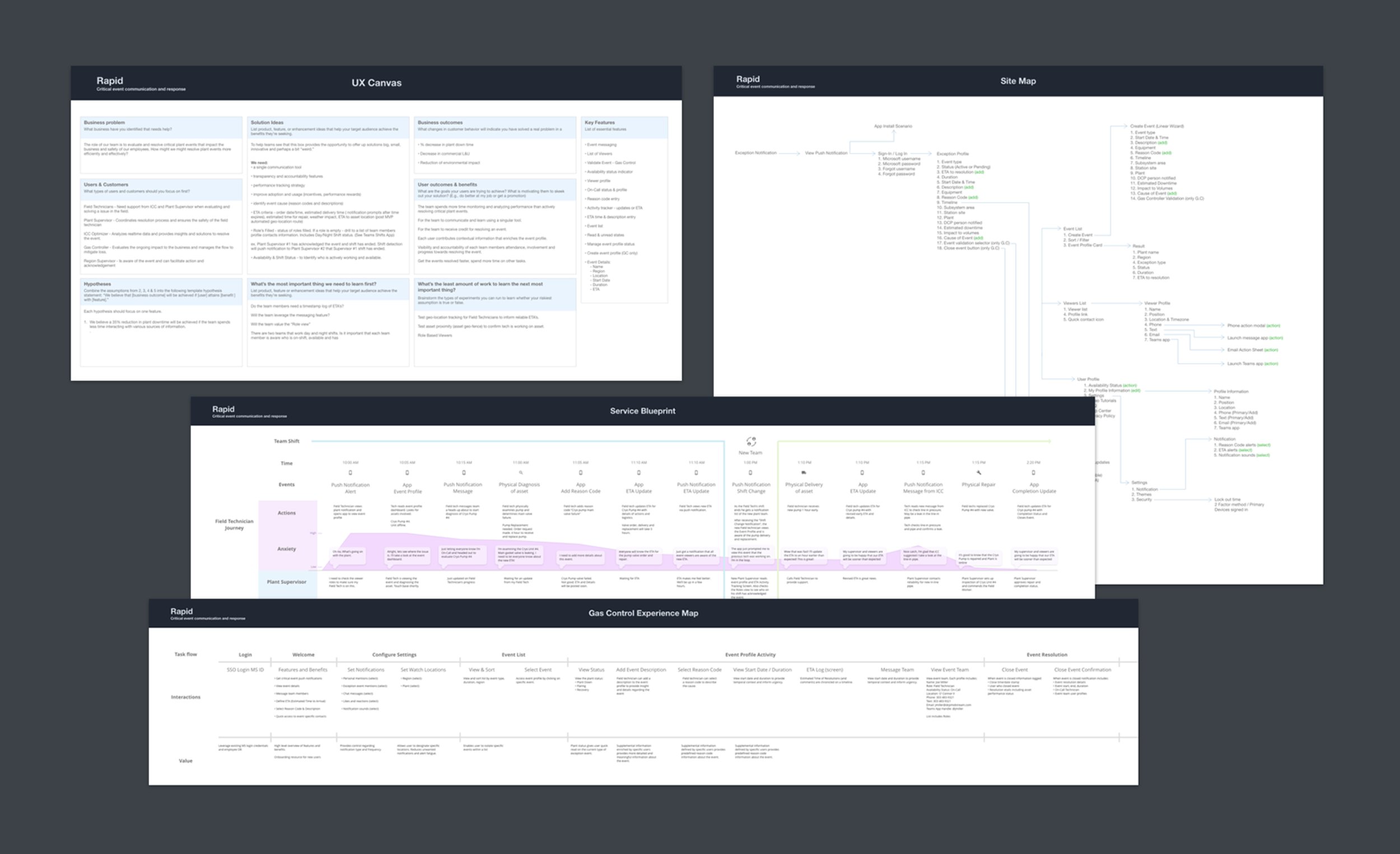
  • Service blueprints. Mapped how every role connects through an emergency, end to end.

  • Desktop and mobile. Critical information wherever people are when an event happens.

The results

  • Faster response. Average time to resolve an emergency event dropped by 40%.

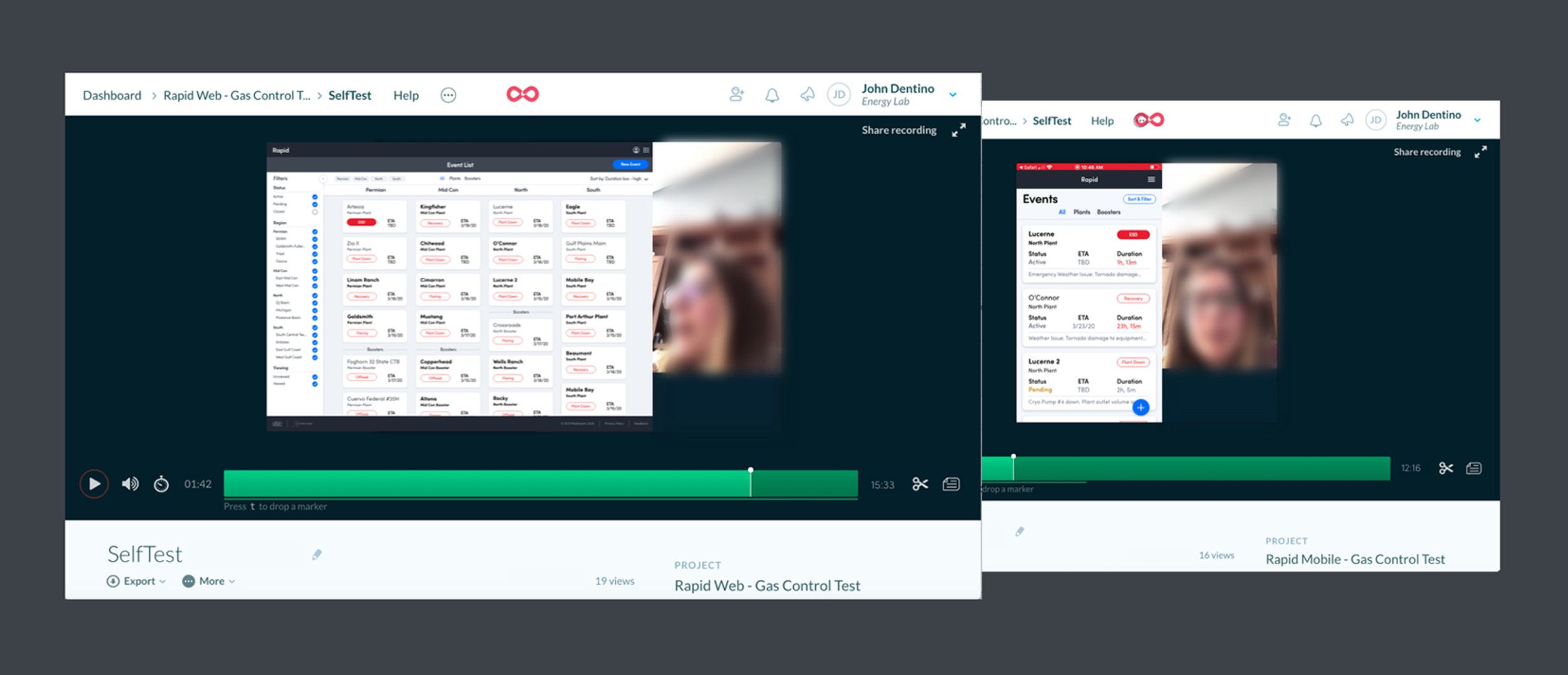
  • Validated by users. Employees responded enthusiastically in testing, and adoption held strong after launch.

  • Leadership buy-in. Executives backed the rollout and invested in expanding it and connecting it to other operational systems.

  • Departments aligned. Teams that rarely worked together now shared one approach to a critical problem.

40%
faster resolution of emergency events

The work

Rapid Desktop Demo

Rapid Mobile Demo

Gas scheduling & trading

Optimizing revenue-critical operations.

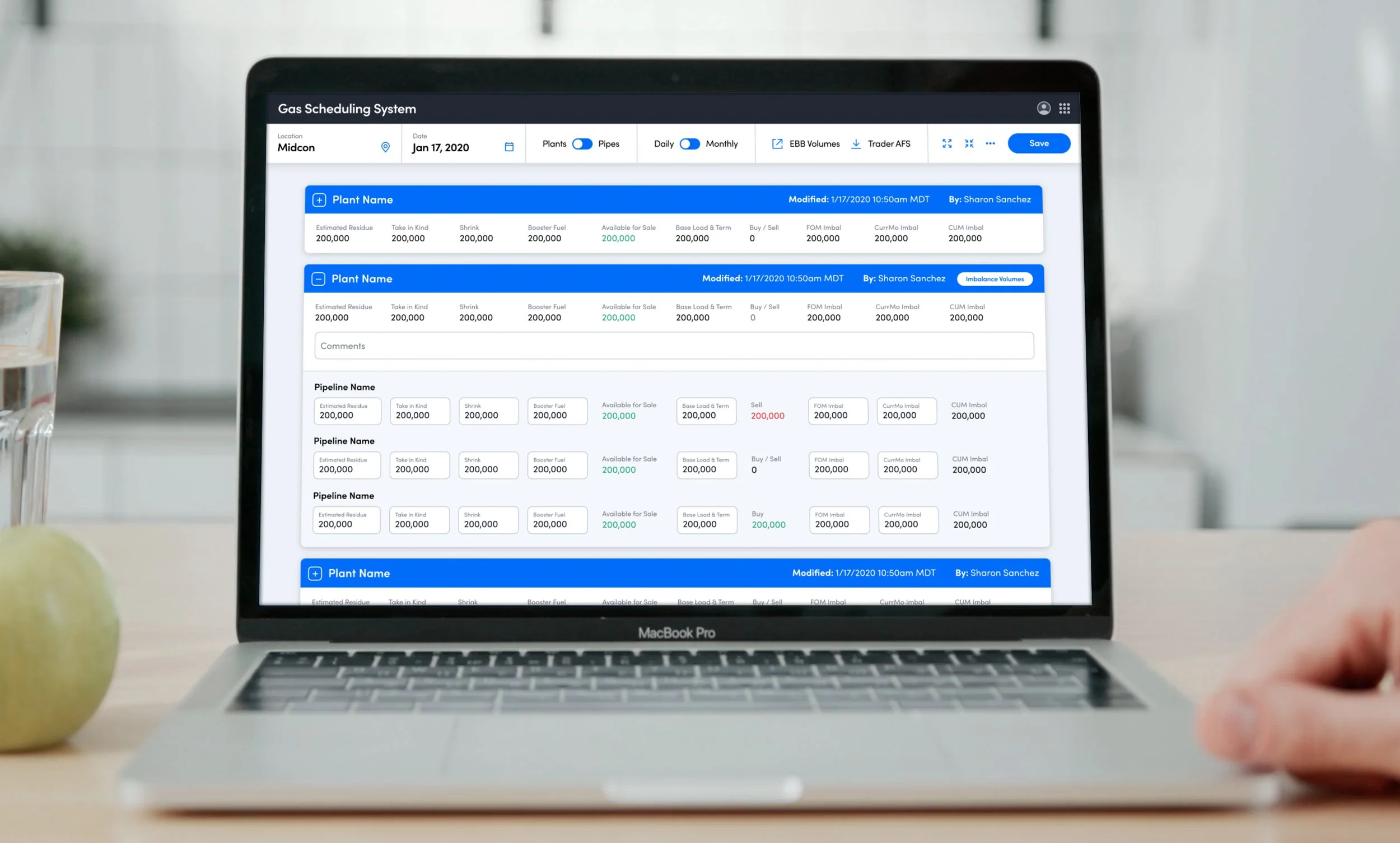
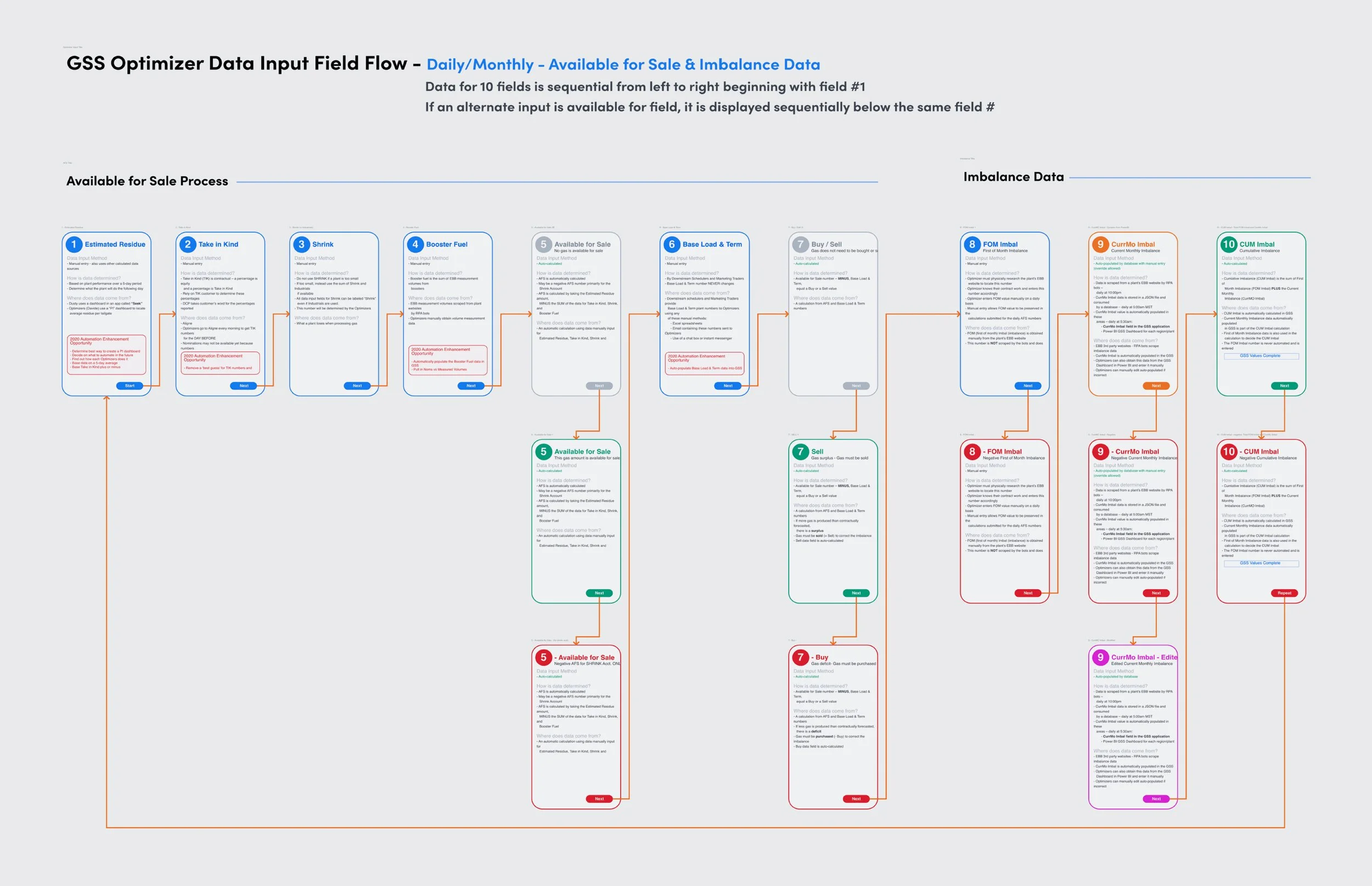
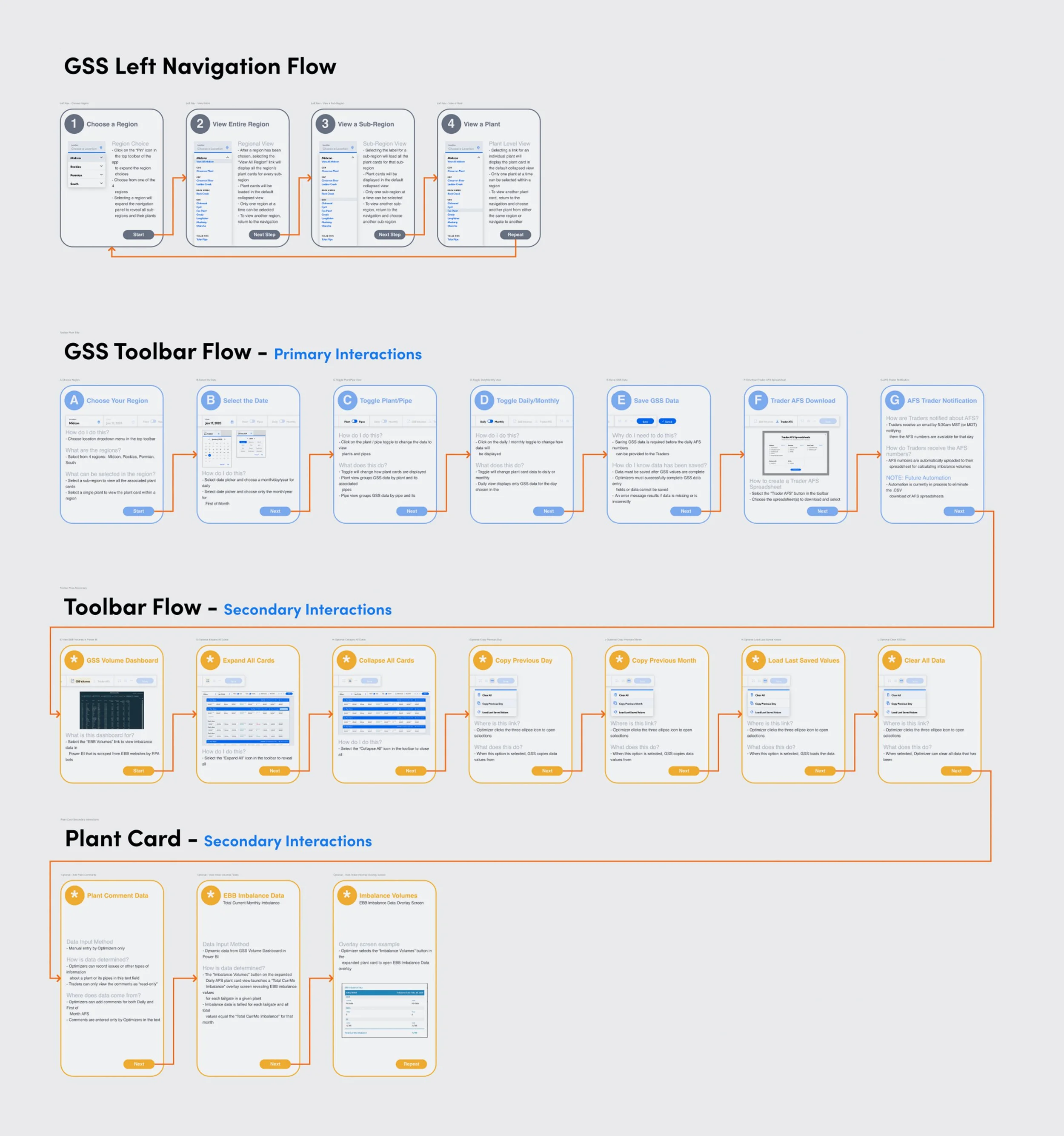
The Gas Scheduling System gives DCP's Gas Optimizers and Market Traders accurate data, automated calculations and no more manual entry.

Gas Scheduling System in use

The problem

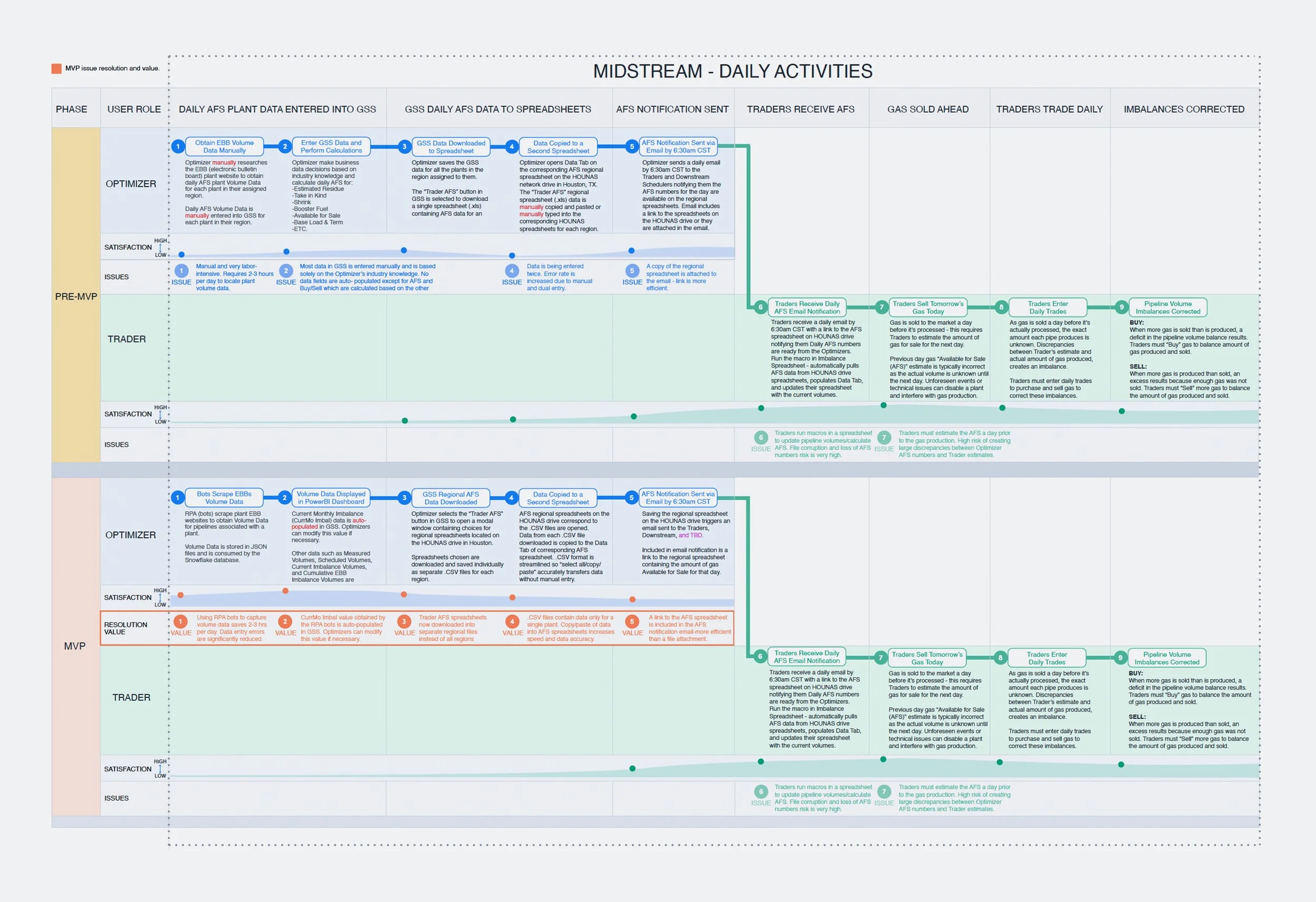
Gas optimization and trading, two revenue-generating processes, ran on outdated software, manual data entry, hand calculations and tribal knowledge. The risk of error was high.

The solution

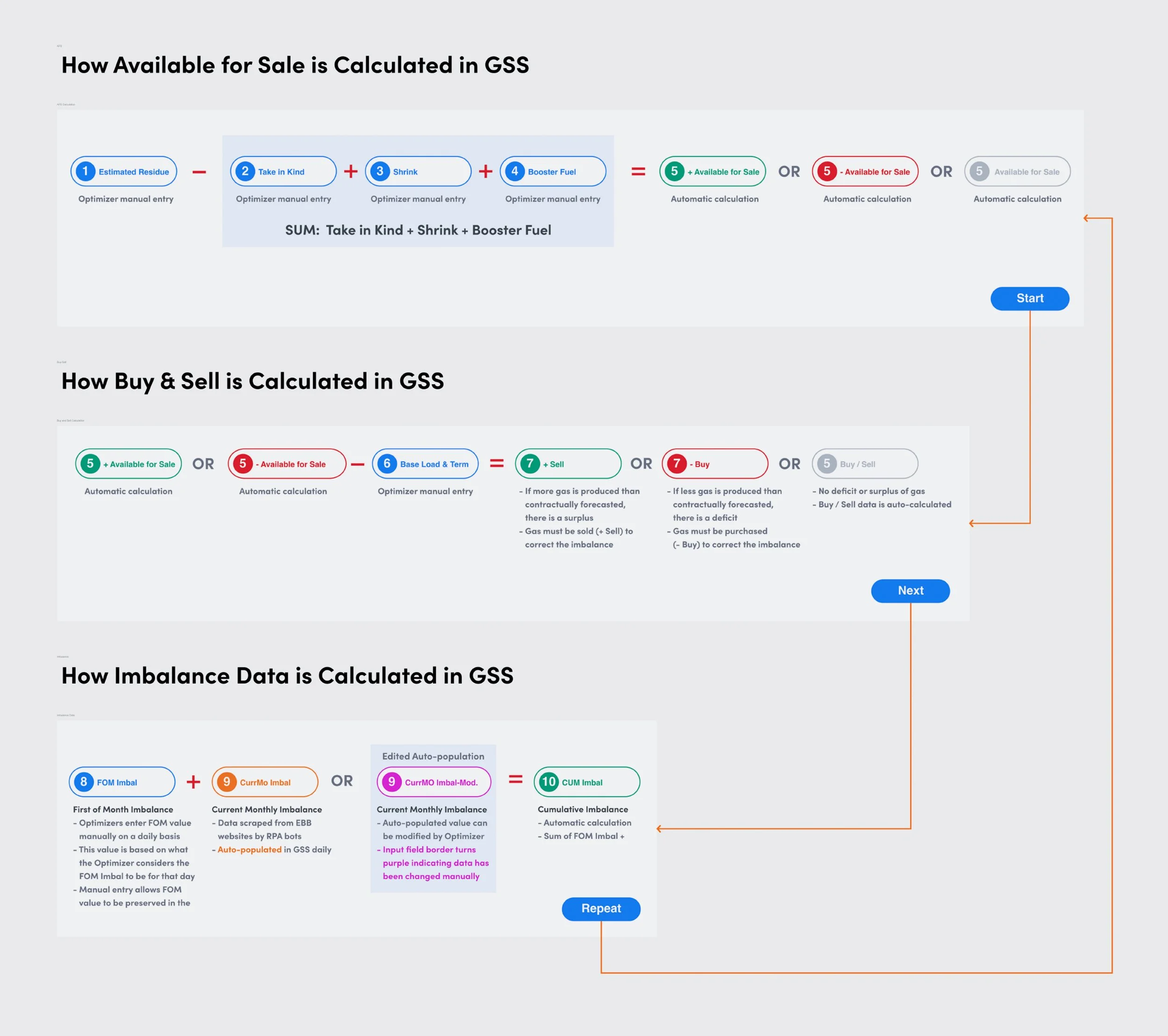
An intelligent system that standardizes the process, automates the math, removes manual inputs and gives Optimizers and Traders numbers they can trust.

What we did

  • Deep domain research. Empathy sessions with Optimizers and Traders, plus interviews with stakeholders and subject matter experts.

  • Plant tours. Our designers visited gas processing plants to understand the operation first-hand.

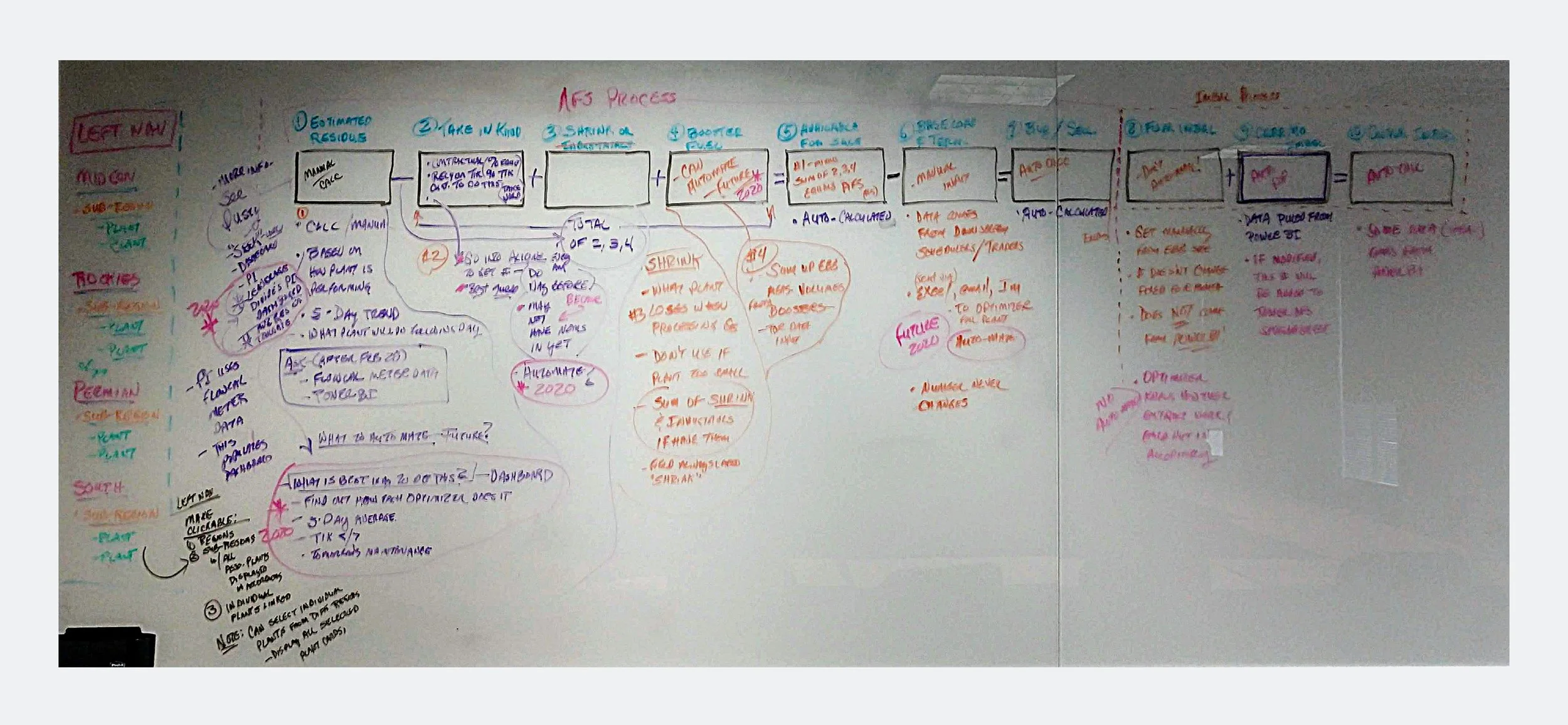
  • Journey maps and task flows. Charted how users work with the data and the logic behind each calculation.

  • Test early, test often. Frequent usability testing with Optimizers and Traders to refine the design.

  • Automation. Auto-populated fields and auto-calculated imbalance volumes replaced manual work.

The results

  • Hours back. Gas Optimizers spend over 420 fewer hours a month on these tasks.

  • Fewer errors. Removing manual calculations and entry points cut user error.

  • More revenue. More reliable Available for Sale numbers contributed to increased gas sales.

  • Smooth launch. Training helped both Optimizers and Traders move to the new system with confidence.

420+
hours saved per month for Gas Optimizers

The work

Gas Scheduling System (GSS) Demo

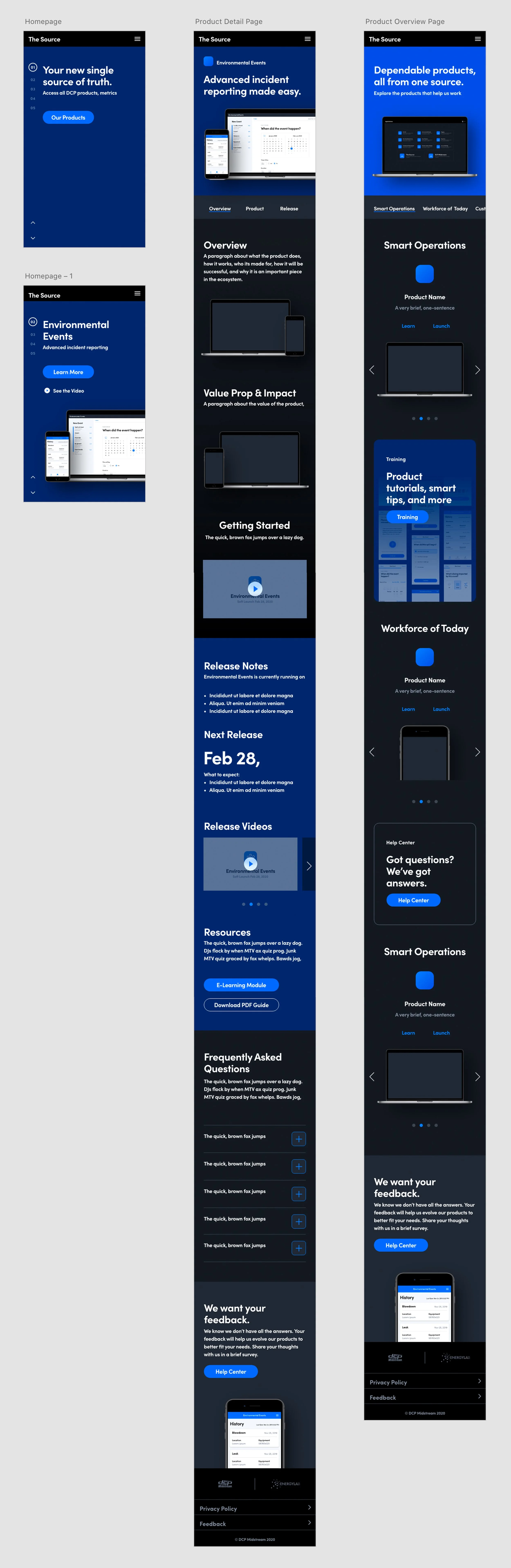
Product hub

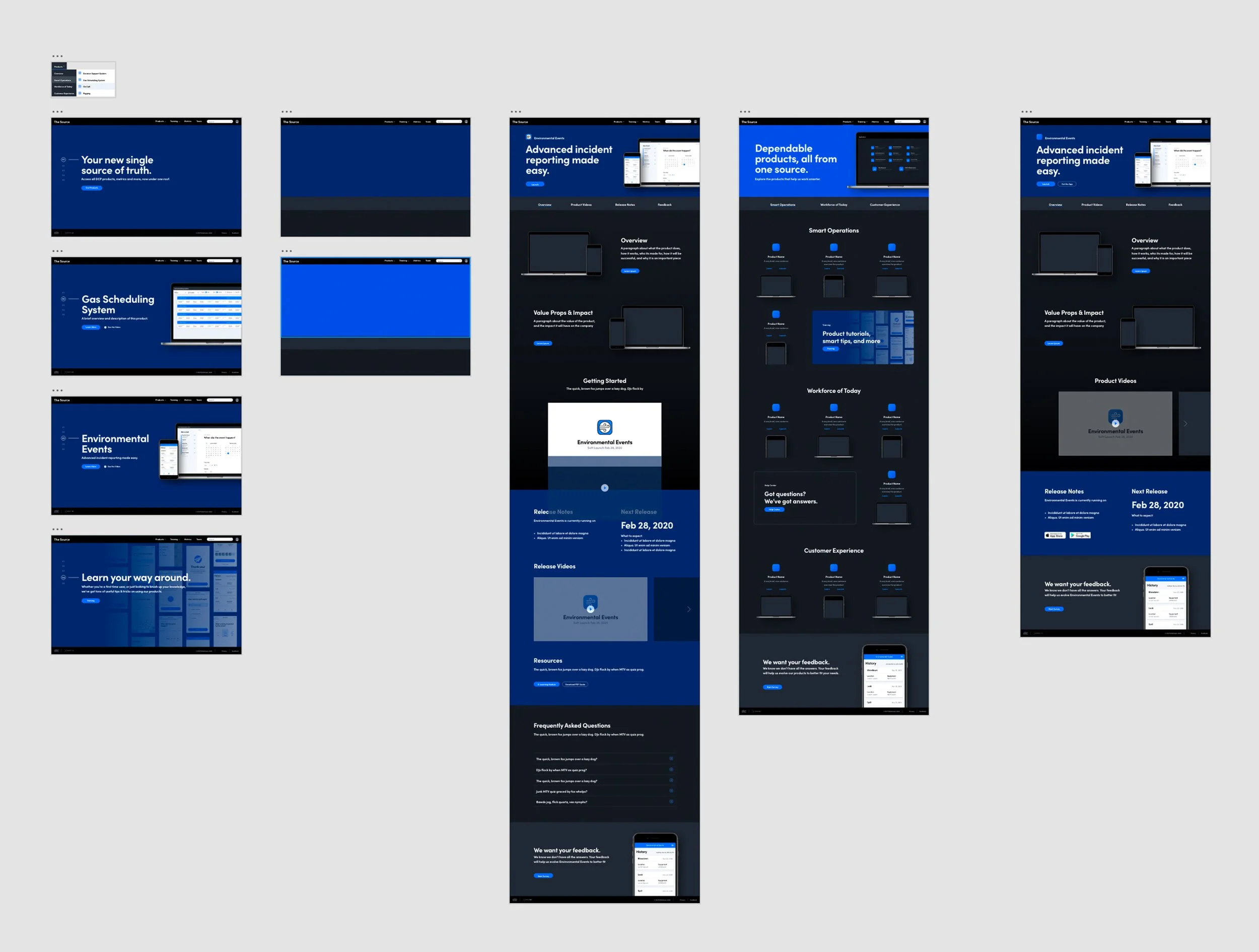
A digital product hub.

One place where DCP employees find, launch, learn and get support for every product in the company's growing ecosystem.

The Source desktop prototype

The problem

As the number of digital products grew, employees needed a single way in, along with training, a way to give feedback and a place to pitch new ideas.

The solution

A platform that houses every application and doubles as a knowledge base, support channel and innovation hub for the whole organization.

What we did

  • App portal. One place to find and launch any DCP product.

  • Built-in training. Documentation, tutorials and training materials right next to each product.

  • Feedback channels. Users can report issues and suggest improvements in context.

  • Direct support. Customer and technical support for every product, one click away.

  • Idea submissions. Employees can propose new tools, building a culture of innovation.

The results

  • Easier discovery. Employees find the tools they need quickly.

  • Higher adoption. Easier access and built-in training increased product use.

  • Less friction. Getting help with any product became simple.
  • A connected ecosystem. One front door that ties the transformation together, with a steady feedback loop for improving it.

1
front door to every DCP product

The work

The Source Demo

Tell us what just changed.

Start with a 30-minute call, or write to .